
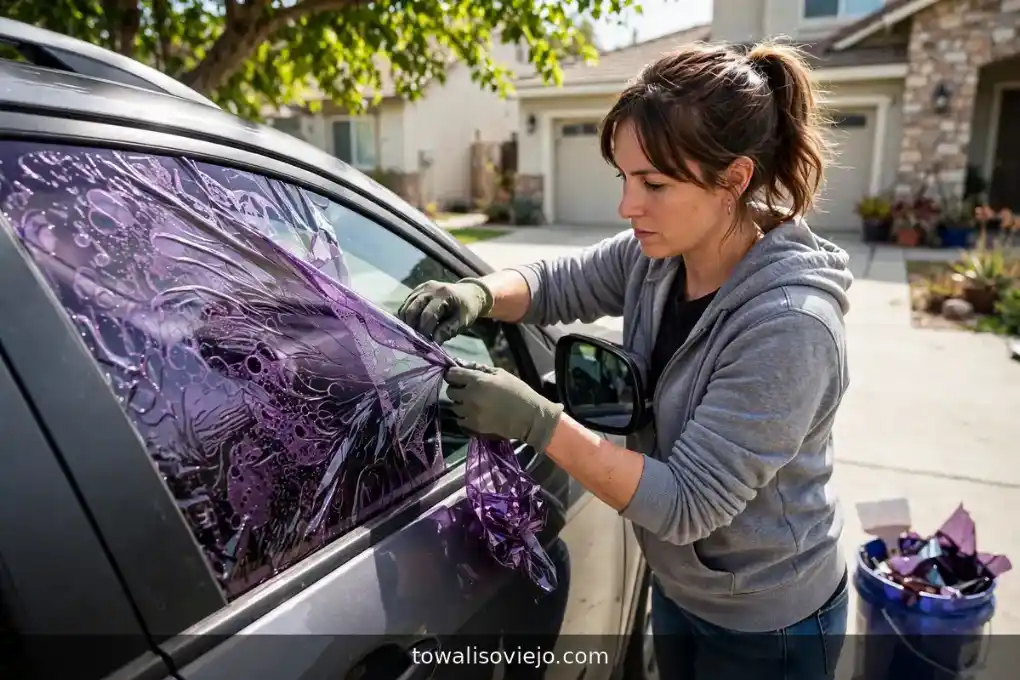
How to Remove Window Tint Without Damaging Your Glass
You buy a used truck in Houston. The tint looks fine in the lot. Two weeks later it bubbles and turns purple. Now you want it gone. This guide shows how to remove window tint without scratching the glass or cutting the defroster lines. I have stripped film off hundreds of windows. The method matters more than the tools.
How to Remove Window Tint: The Quick Answer
- Park the car in the sun or a warm garage.
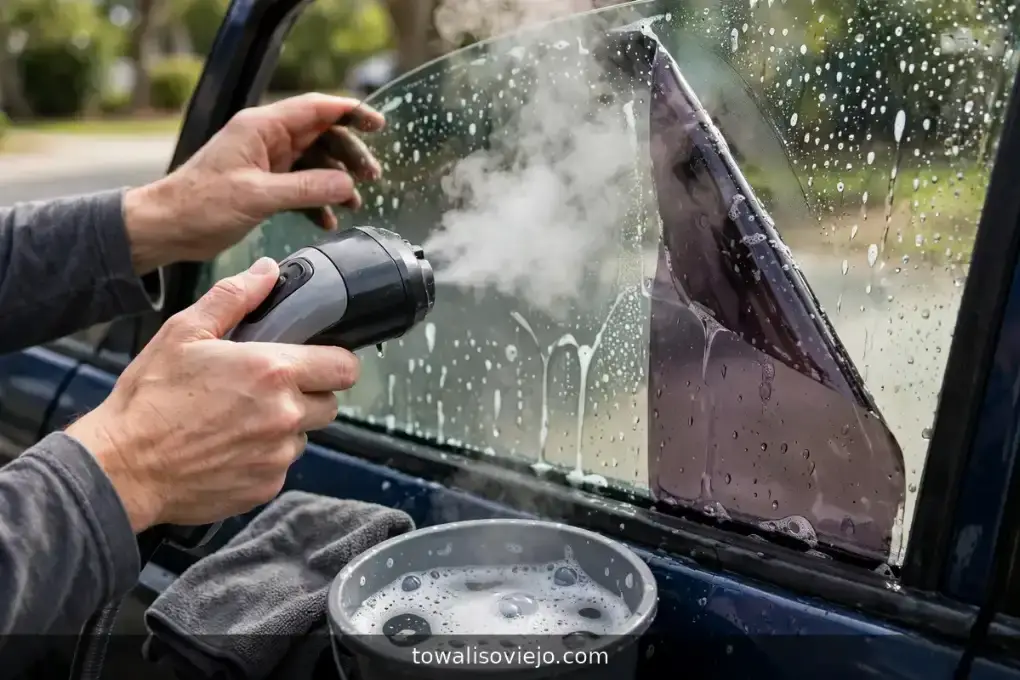
- Heat one corner of the film with a steamer or hair dryer.
- Peel the film back slowly at a low angle.
- Keep heat on the peel line as you pull.
- Wipe off leftover glue with soapy water or alcohol.
- Clean the glass.
Those six steps work on most side windows. Each step has traps. Rear glass needs extra care because of the defroster lines. The sections below cover each case. Pick the method that fits your car and your climate.
Know Your Film Before You Start
Not all tint behaves the same way. Cheap dyed film fades to purple and bubbles after a few summers. Strong sun in Miami or Phoenix speeds that up. Metalized and ceramic films usually last longer. They can fight you during removal.
Most film lasts 5 to 15 years, depending on quality and sun exposure. Old film turns brittle. It tears into small strips instead of lifting in one sheet. Expect more glue in that case. Newer film often peels in large pieces. Plan your time around the age of the film.
Also look at the glass itself. Side windows and rear glass handle removal well. Plastic panels on some convertibles scratch easily. Skip razors and strong heat on those.
Tools and Prep for a Clean Job
Gather these items first. You need a clothes steamer or a hair dryer, a spray bottle, dish soap, and microfiber cloths. Add a razor scraper with fresh blades, isopropyl alcohol, and glass cleaner. Wear gloves and eye protection. A steamer costs about $30, or you can rent one.
Protect the inside of the car. Lay towels over the door panels, seats, and dash. Water drips and glue sticks to fabric. Roll the window down about an inch. That lets you reach the top edge.
Here is a quick guide to the main methods.
Pick the Right Day and Place
Weather changes how the glue behaves. Warm glass releases film more easily. Cold glass fights you.
In Houston or Miami, work before noon or in a shaded garage. Glass baked in summer sun can burn your hands. In a Denver or Chicago winter, never aim a heat gun at frozen glass. Sudden heat can crack it. Warm the car in a garage first. Seattle brings damp air. Wipe the inside of the glass dry before you start. Moisture hides glue and clogs your cloth.
The ammonia method is the one exception. It wants a warm, sunny day and fresh airflow. A driveway off Interstate 75 in Florida works. A closed garage does not.
Avoid windy days outside. Dust sticks to wet glue and scratches the glass. Pick a calm afternoon and give yourself two to three hours.
Can I remove window tint with a hair dryer?
Yes. A hair dryer works on most side windows. It takes patience, not force.
Set it to high. Hold it about 2 inches from one corner. Heat the spot for a couple of minutes. Then test the corner with your fingernail. When it lifts, pull slowly. Keep the heat moving along the peel line with your other hand. Pull at a low angle. A steep angle tears the film.
A steamer does the same job with less risk. Hold it about 2 inches from the glass. Steam the outside edge first. Then steam the inside. Steam softens the glue without baking it. Watch your hands. Steam burns fast in a closed cabin.
A heat gun works too, but it is the riskiest tool. Hold it about 8 inches back. Keep it moving. Too much heat can warp glass, melt the film, or hurt defroster lines. Skip the heat gun on rear glass.
Small tears happen. Do not panic. Restart from a new corner. Add soapy water along the peel line to cut drag. Old brittle film comes off in strips. Work one strip at a time.
Does ammonia remove window tint safely?
Ammonia works, but it is the harshest option. Use it only when heat fails. Old baked film sometimes needs it.
Here is the trash bag method.
- Cut two black trash bags to fit the window.
- Spray the outside glass with soapy water. Press one bag onto it.
- Mix equal parts water and ammonia in a spray bottle.
- Spray the inside glass.
- Press the second bag onto it.
- Park in the sun for about one hour. The heat and the fumes loosen the glue.
- Then peel the film from a corner. Keep it wet as you pull.
Safety matters here. Wear a respirator, goggles, and gloves. Leave the doors open for airflow. Cover the dash, seats, and door panels with plastic. Ammonia can harm trim and electronics. Never mix ammonia with bleach. The fumes can make you sick.
Isopropyl alcohol is a gentler swap for many jobs. Skip ammonia on rear glass with defroster lines. Some cleaners attack the grid. Test any chemical on a small spot first.
How do I remove tint without damaging the rear defroster lines?
This is the question I hear most. The rear defroster grid is a thin strip of conductive paint on the inside of the glass. A razor can cut it in one pass. A cut line stops heating. Some cars also print the radio antenna on the glass.
Follow these rules. Use heat, not blades, on the inside of the rear glass. A steamer is the best tool. Pull the film in the same direction as the lines, not across them. Peeling across the lines can lift the paint. Use soapy water for lubrication. Use a plastic scraper on glue. Skip metal blades and steel wool on that glass.
Check the grid before and after. Set a multimeter to DC volts. Turn the key on and switch on the defroster. Clip the black lead to a clean body ground. Touch the red lead to the middle of one grid line. A healthy line reads about half of system voltage, near 6 to 7 volts. A reading near 12 volts points to a break on the ground side. A reading near 0 points to a break on the supply side.
Mark any dead line with a paint pen. Repair kits can fix small breaks, but results vary. If your car has a printed antenna, hand the job to a pro.
How do I get the leftover tint glue off the glass?
Glue is the messy part. Do not skip it. Leftover adhesive smears and glares at night.
Spray warm soapy water on the glue. Scrape with a fresh razor blade at a shallow angle. Keep the blade flat against the glass. A steep angle scratches. Wet the glass often. A dry blade drags and chatters.
For stubborn patches, wet a cloth with isopropyl alcohol. Press it on the glue for a minute. Wipe it off. Repeat until the glass is clear. Nail polish remover also works, but keep it off paint and trim.
Finish with glass cleaner and a clean microfiber cloth. Look at the window from several angles, in sun and shade. Streaks show up at sunset on Interstate 5. Wipe again until the glass is clear. Brittle film leaves more glue, so plan extra time.
Avoid these slip ups.
- Do not scrape dry glue.
- Do not use a dull blade, because it digs in.
- Do not pull the film fast, because it splits and leaves more glue.
- Do not use a metal scraper on rear glass.
- Do not roll the window up and down until the glue is gone.
Leftover glue can smear the seal and the track.
How much does it cost to have window tint removed?
A shop usually charges about $100 to $400 for a full vehicle. A single window runs about $15 to $60. The job takes 1 to 3 hours. Prices rise with rear glass, old film, and large SUVs in cities like Los Angeles. Call two or three shops and ask for a price per window. Get the quote in writing. A written price avoids surprises.
The DIY route costs far less. A steamer is about $30. Cleaner, blades, and cloths add a few dollars. You spend your time. Plan on a full afternoon the first time. A pro makes sense for rear glass with a printed antenna. It also makes sense if you lack a garage or the film is cracked and brittle.
Check the rules before you strip or retint. States set limits on how dark tint can be. They measure it as visible light transmission, or VLT. NHTSA safety rules also require windshield glass to pass a minimum amount of light. Many states allow a small strip of tint across the top of the windshield. Look up your state rules before buying new film. Dark tint that fails a roadside check costs you a ticket and a second removal.
Final Thoughts: Heat, Patience, and the Right Tool
Now you know how to remove window tint without ruining the glass. Heat the film, pull slowly, and keep the blade flat. Treat the rear defroster like a thin electrical part, because it is one. Use alcohol and soap for the glue. Call a pro for printed antennas and cracked film. Pick the right weather and give yourself a full afternoon. Bag the old film right away, because sticky scraps cling to everything. Take your time, and the glass will come out clear.
Can I remove window tint with a hair dryer?
Yes, on most side windows. Set it to high, hold it about 2 inches from one corner, heat for a couple of minutes, then pull slowly at a low angle while keeping heat moving along the peel line. A steamer does the same job with less risk; a heat gun is riskiest and should be skipped on rear glass.
Does ammonia remove window tint safely?
Ammonia works but is the harshest option, only when heat fails. Use the trash-bag method in sun for about one hour, wear a respirator, goggles and gloves, keep doors open for airflow, never mix ammonia with bleach, and skip ammonia on rear glass with defroster lines.
How do I remove tint without damaging the rear defroster lines?
Use heat, not blades, on the inside of the rear glass; a steamer is best. Pull in the same direction as the lines, not across them, use soapy water for lubrication and a plastic scraper on glue, and never use metal blades or steel wool on that glass.
How do I get the leftover tint glue off the glass?
Spray warm soapy water and scrape with a fresh razor blade at a shallow angle, keeping the blade flat and the glass wet. For stubborn patches press a cloth wet with isopropyl alcohol on the glue for a minute, then finish with glass cleaner and a clean microfiber cloth.
How much does it cost to have window tint removed?
A shop usually charges about $100 to $400 for a full vehicle and about $15 to $60 for a single window, taking 1 to 3 hours. The DIY route costs far less, a steamer about $30, but a pro makes sense for rear glass with a printed antenna or cracked, brittle film.