
How to Fix a Cracked Windshield: A Mechanic’s Step by Step Guide
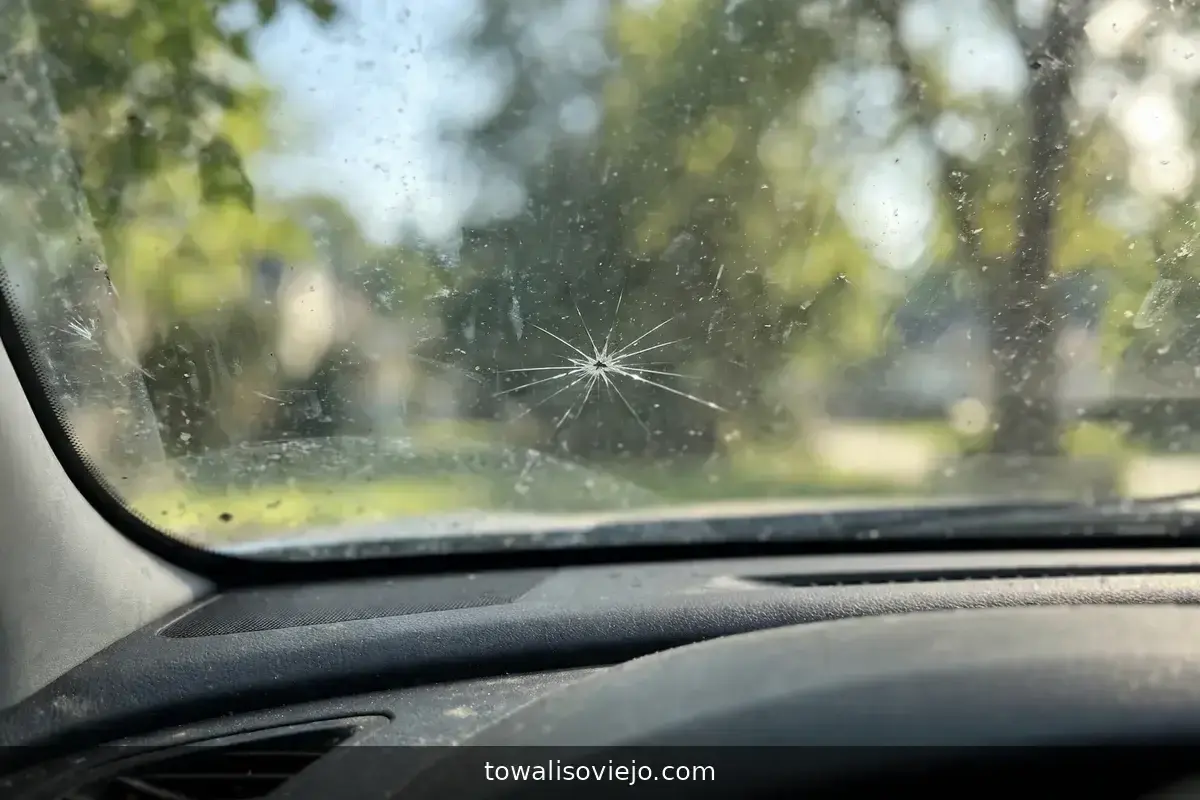
A rock bounces off a gravel truck on Interstate 80. Your stomach drops. A thin line now stretches across your view. Good news: you can often repair it the same day. This guide shows how to fix a cracked windshield safely, and when to stop and call a pro. I have spent over ten years working on cars, so I will keep this practical. You will learn the size limits, the tools, the steps, and the mistakes that ruin repairs.
How to Fix a Cracked Windshield: The Short Answer
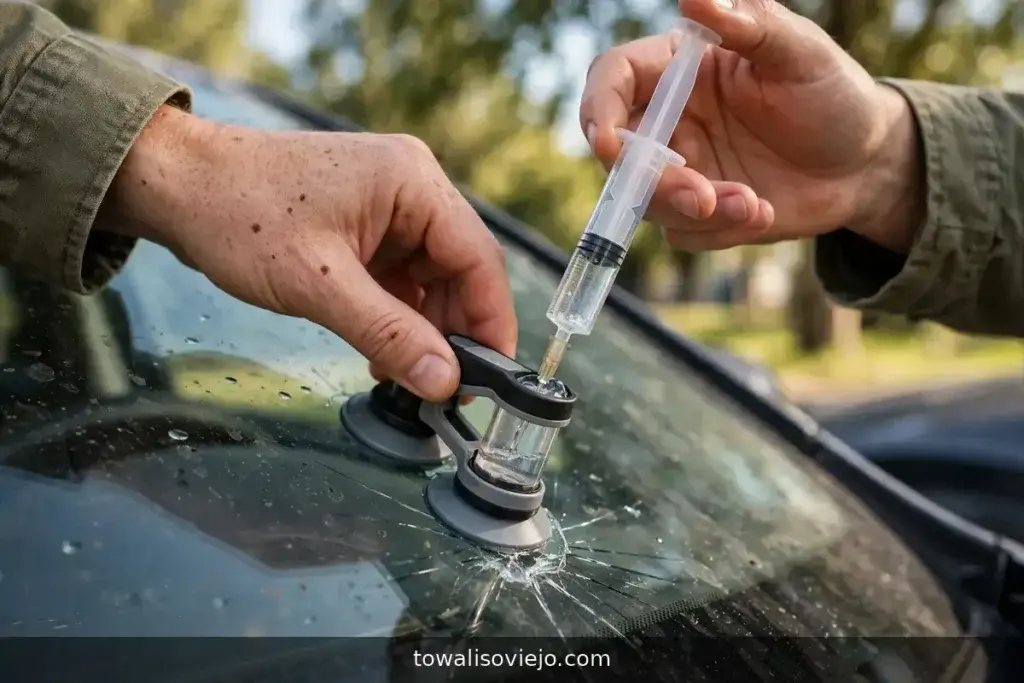
Clean the damage, then attach a repair kit pedestal over the crack. Inject clear resin with the syringe until air bubbles vanish. Cure the resin with sunlight or a UV lamp. Scrape the surface flat with a razor blade. This works for chips smaller than a quarter and single cracks under 3 inches.
That is the quick version. The details matter, because resin cannot be removed once it cures. A messy repair also makes a later professional fix harder. Read the sections below before you open the kit.
Can a cracked windshield be repaired or does it need replacement?
Most small damage can be repaired. Four things decide it: size, location, depth, and timing. Your windshield is laminated glass. Two glass layers sandwich a plastic film called the PVB interlayer. Damage that stays in the outer layer repairs well. Damage that reaches the inner layer does not.
Size rules shops use
The Auto Glass Safety Council publishes a repair standard for laminated glass. Techs call it ROLAGS. Good shops follow it closely. Here are the common rules of thumb.
- A chip smaller than a quarter is repairable.
- A single crack under 3 inches is usually repairable.
- Some shops stretch that to a dollar bill, about 6 inches. Results vary at that length.
- Bullseye, half moon, and small star breaks respond best.
- A crack longer than 12 inches almost always needs a new windshield.
- Several chips in one area also point to replacement.
Location rules
Location matters as much as size. A crack that touches the glass edge weakens the bond to the frame. Replace that glass. Damage in the driver’s direct line of sight leaves distortion even after repair. Replace that glass too.
Check the area around the rearview mirror. Many newer vehicles hide a camera and rain sensor there. A DIY repair near those parts is a bad idea.
The dollar bill test
Lay a dollar bill over the damage. If the bill covers it all, a repair is possible. If the crack runs past the bill, plan on replacement. Also consider age. Dirt and water inside an old crack block the resin. Fresh damage repairs best, so act within days.
Tools and Materials for a DIY Windshield Repair
A decent repair kit costs $10 to $25. A professional repair runs about $50 to $150. A replacement often costs $280 to well over $1,000. The math favors a quick repair.
Gather these items first. You need a resin repair kit with a pedestal, a razor blade, and rubbing alcohol. Add a lint free cloth, nitrile gloves, a thumb tack, and clear curing film. A small mirror helps you check the back side of the glass.
Weather changes the job. Aim for 60 to 80 degrees Fahrenheit. In Phoenix or Las Vegas, work early in the morning. Hot glass cures resin too fast and can push the crack longer. In Chicago or Minnesota, never pour hot water on frozen glass. Park in a garage and let the glass warm slowly. Cold glass blocks resin flow.
Step by Step Repair With a Resin Kit
Follow your kit directions first, because brands differ. This is the general process I use in my own garage.
- Park in the shade. The glass should feel cool to warm, never hot.
- Clean the damage. Pick out loose glass with the tack. Wipe the area with alcohol and let it dry fully.
- Place the seal. Center the pedestal over the impact point. Press the adhesive seal flat so no air leaks in.
- Add resin. Thread the chamber into the pedestal. Add 3 to 6 drops of resin.
- Build pressure. Push the plunger to force resin into the break. Pull it back to draw out air. Repeat until the damage fades.
- Remove the pedestal. Loosen the chamber half a turn first to release pressure. Then peel off the seal.
- Cure the resin. Add one drop of curing resin and lay the clear film over it. Move the car into direct sun for about 10 to 15 minutes. Follow your lamp directions if you use a UV lamp.
- Scrape the surface. Hold the razor blade at 90 degrees to the glass. Shave off the extra resin. Clean the glass with alcohol.
A longer crack needs extra patience. Start at one end of the crack. Reset the pedestal every inch or so as you move along the line.
Expect a faint blemish when you finish. A good repair restores strength and stops the crack from growing. It rarely makes the damage invisible. Skip the car wash for 24 hours. Close the doors gently for a day.
Common Mistakes That Ruin a Windshield Repair
Most failed repairs come from a few simple errors.
Working on hot glass is the top mistake. Heat makes resin harden before it fills the crack. Skipping the cleaning step comes next. Dirt becomes a permanent part of the repair. Some people press too hard on the plunger. That can spread the crack. Others trap air under a loose seal. Air leaves a white spot that never fills.
Waiting is another mistake. A new chip can become a crack after one cold night or one rough road. Fix new chips within a few days.
Last, never repair damage at the glass edge or near a camera. Let a technician handle it.
Is it illegal to drive with a cracked windshield?
It depends on your state and the crack. Most states ban damage that blocks the driver’s view. New Hampshire goes further and bans windshield cracks outright. Texas has no law against every crack, but an officer can still cite an obstructed view. Florida lets police cite vehicles in unsafe condition. States with safety inspections, such as New York, can fail a car with a view blocking crack.
Check your state motor vehicle rules for exact limits. Rules differ from Interstate 95 in Georgia to Interstate 10 in Arizona. Laws change, so verify before you drive far.
The law is only part of the story. NHTSA safety standards treat the windshield as a structural part. It helps hold the roof up in a rollover. It also backs the passenger airbag as the bag deploys. A cracked windshield weakens both jobs. That is why a quick repair beats a long wait.
Call your insurance agent too. Some policies cover chip repair at no cost to you. Ask before you pay out of pocket.
How do I stop a windshield crack from spreading?
Glass flexes with heat, cold, and vibration. Every flex pulls on the crack tip. These steps slow the spread until you can repair it.
- Park in the shade or a garage. In Las Vegas, use a reflective sunshade all summer. Heat swings cause most growth.
- Go easy on the defroster. On a freezing Chicago morning, start on low and warm the cabin slowly. Blasting hot air at cold glass can add inches in seconds.
- Close doors gently. A slammed door spikes cabin air pressure. In tight parking garages in Manhattan or Atlanta, take extra care.
- Avoid rough roads. Slow down for potholes and speed bumps. On Interstate 95, leave extra space behind trucks to dodge more gravel.
- Do not tape the crack. Tape traps dirt and moisture, which makes a later repair harder.
- Wash with lukewarm water. Skip pressure washers near the crack.
These tips only buy time. Only a resin repair stops the spread for good.
Will super glue or clear nail polish fix a windshield crack?
Short answer: no. They can slow a crack for a day or two. They are not repairs.
Super glue cures hazy and turns yellow in the sun. Nail polish stays soft and collects dust. Real windshield resin is made to match the optical qualities of glass. That is why a proper repair looks clear. Cheap fillers also block a technician from injecting resin later. A bad DIY job often cannot be improved by a pro.
If you must use a stopgap, wipe the crack clean and dry. Add one thin layer. Then book a repair within a week. Skip the rubbing alcohol, salt, and bug spray recipes online. They do nothing useful.
Do I need ADAS calibration after a windshield replacement?
Check behind your rearview mirror. Many vehicles from about 2015 onward carry a forward camera there. Lane keeping, automatic braking, and adaptive cruise control often depend on it. Most manufacturers recommend recalibration after a windshield replacement. Even a small misalignment can shift where the camera sees the lane. Testing by AAA has shown that small errors can disable these features. IIHS has also reported that many owners had problems after glass replacement.
Calibration comes in two types. Static calibration uses targets in a controlled bay. Dynamic calibration uses a road drive at set speeds. Some vehicles need both. Shops often connect a battery maintainer during the work. A healthy 12 volt battery rests at 12.4 to 12.6 volts. Steady voltage keeps the modules from throwing false errors.
Expect to pay a few hundred dollars for calibration. Ask the shop for a printed calibration report before you leave. A small chip repair usually leaves the camera alone. A repair inside the camera zone is a job for a technician.
Final Thoughts: Act Fast and Know Your Limits
Now you know how to fix a cracked windshield the right way. Small chips and short cracks make good weekend jobs. Long cracks, edge cracks, and damage near a camera need a technician. Act within days, keep the glass out of temperature swings, and follow the kit steps slowly. A $20 kit and 30 minutes can save you a four figure bill. Check your state rules, call your insurer, and stay safe out there.
Can a cracked windshield be repaired or does it need replacement?
Most small damage can be repaired; size, location, depth and timing decide it. Damage staying in the outer layer repairs well; damage reaching the inner layer does not. A chip smaller than a quarter and a single crack under 3 inches are usually repairable, while a crack longer than 12 inches, edge damage, or damage in the driver’s direct line of sight needs replacement.
How do I stop a windshield crack from spreading?
Park in shade or a garage, go easy on the defroster, close doors gently, avoid rough roads, do not tape the crack, and wash with lukewarm water. These steps only buy time; only a resin repair stops the spread for good.
Will super glue or clear nail polish fix a windshield crack?
No. They can slow a crack for a day or two, but super glue cures hazy and turns yellow in the sun and nail polish stays soft and collects dust, and cheap fillers can block a technician from injecting resin later. Book a proper repair within a week.
Do I need ADAS calibration after a windshield replacement?
Many vehicles from about 2015 onward carry a forward camera behind the rearview mirror, and most manufacturers recommend recalibration after replacement, static, dynamic, or both, typically a few hundred dollars with a printed calibration report. A small chip repair usually leaves the camera alone.
Is it illegal to drive with a cracked windshield?
It depends on your state; most states ban damage that blocks the driver’s view, New Hampshire bans windshield cracks outright, Texas officers can cite an obstructed view, and states with safety inspections such as New York can fail a car with a view-blocking crack. Check your state rules.