
EV vs Hybrid: Which One Fits Your Driving Life?
Picking between an EV vs hybrid feels harder than it should. Both cars save fuel. Both cost more than a basic gas car. Both bring new habits you must learn. I have spent years under hoods and beside charging cords. Here is the plain truth. One question settles most cases: can you charge at home? This guide covers cost, winter range, repairs, road trips, and batteries. You will finish with a clear pick for your driveway.
The Core Difference in an EV vs Hybrid
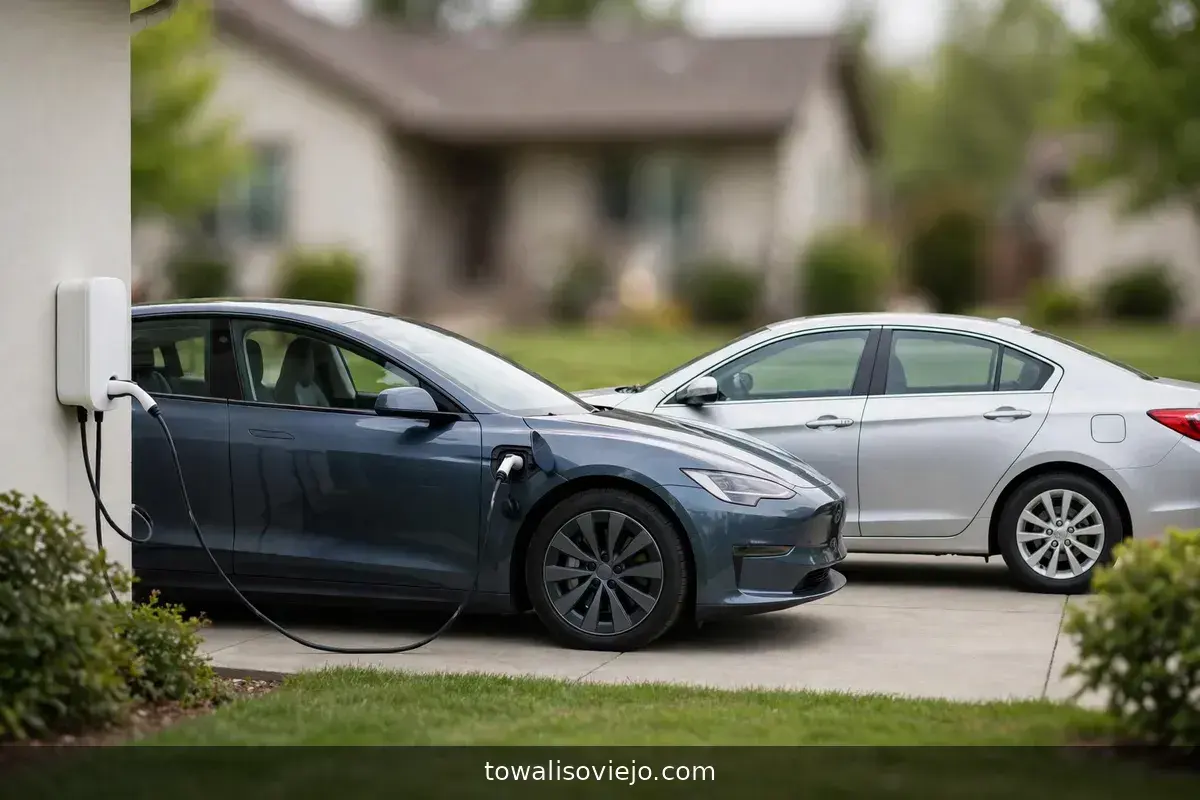
An EV runs only on a battery and electric motors. You plug it in to refuel. A hybrid pairs a gas engine with a small battery and motor. You fill it at a gas station. A regular hybrid never needs a cord. That one difference shapes cost, range, and daily habits.
Think of three types. A battery electric vehicle, or EV, uses no gas at all. A regular hybrid charges its own small battery while you drive. A plug in hybrid carries a bigger battery that you charge from an outlet. It also keeps a gas engine for long trips.
The EPA rates EVs in miles per gallon equivalent, or MPGe. That number lets you compare an EV with a gas car. Many hybrids earn 40 to 50 miles per gallon. That beats most gas cars by a wide margin.
Hybrids feel familiar. You start the car, shift, and drive. An EV feels different. It stays quiet and pulls hard from a stop. NHTSA requires both types to make a warning sound at low speeds. That protects people walking through parking lots.
How Much Does Home Charging Cost Compared to Gas?
Home charging is the biggest money saver for an EV. Most US drivers pay about the same as $1 per gallon of gas. That works out to roughly $500 to $600 a year for 11,000 miles.
A hybrid already sips fuel, so the gap shrinks. Say gas costs $3.50 a gallon. Your hybrid gets 50 miles per gallon. That equals 7 cents per mile, or about $770 over 11,000 miles. The EV saves you about $200 a year. Your local power rate changes that math. California rates run high, while many Midwest states stay cheap. Many utilities also offer cheaper night rates. Ask yours about a time of use plan.
Public fast charging changes the story. It often costs far more than home power. Some drivers pay as much per mile as they would for gas. If you rely on fast chargers, the savings can vanish.
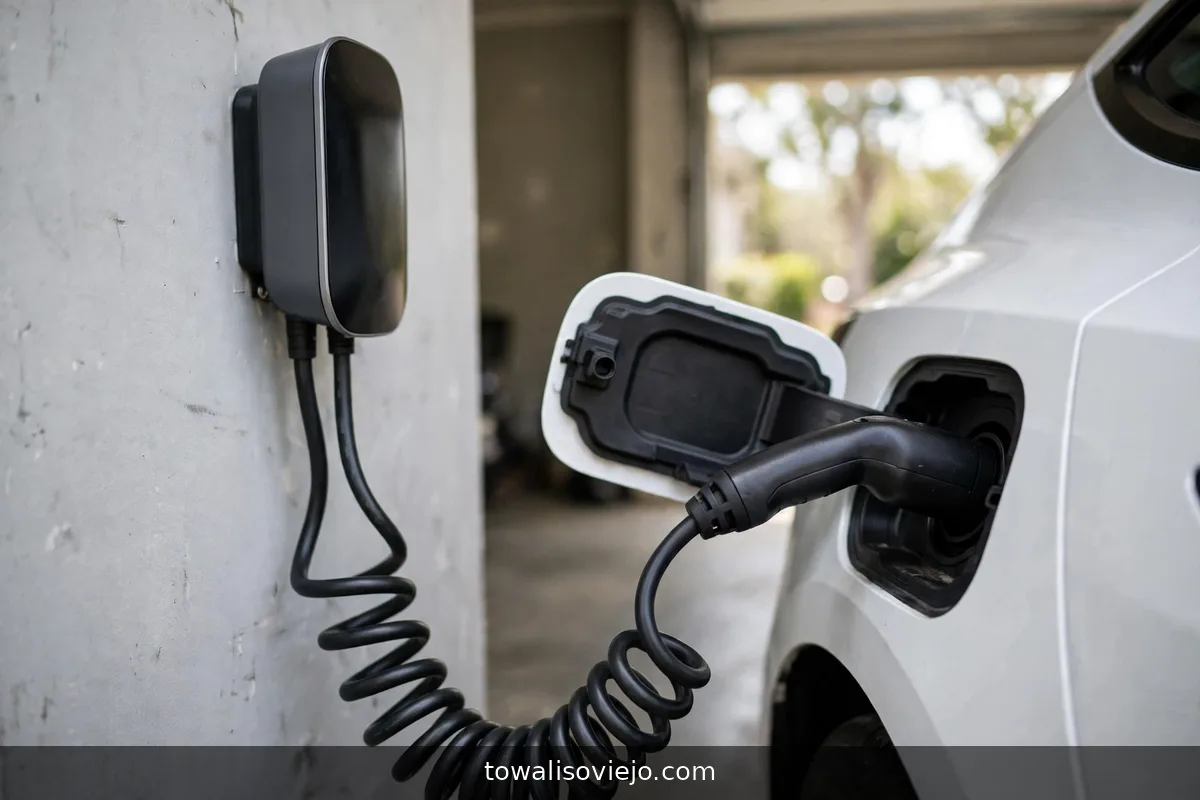
Home charging comes in two levels. Level 1 uses a regular 120 volt outlet. It adds about 4 miles of range per hour. Level 2 uses a 240 volt circuit. It adds 25 to 40 miles per hour. Many Level 2 units need a 40 amp breaker. Hire a licensed electrician for that job.
Should I Buy a Hybrid If I Can’t Charge at Home?
For most people, yes. A hybrid needs no cord, no wall box, and no plan. You stop at any gas station and leave in five minutes.
Picture an apartment in Manhattan or Atlanta. Many parking garages there have no outlets. Street parking makes it worse. You would need public chargers every week. Those stations can have lines, especially in winter. Many drivers call that wait the real deal breaker.
Ask about charging at work first. A free outlet at the office can fill the gap. Even a 120 volt plug adds about 40 miles over a full workday.
If you have no safe plug anywhere, choose the hybrid. A great EV with poor charging makes a frustrating daily car.
How Much Range Does an EV Lose in Cold Weather?
Cold weather hurts EVs more than hybrids. AAA tested five EVs at 20 degrees Fahrenheit. With the heater on, average range dropped 41 percent. Without the heater, the loss was only 12 percent. The heater is the big energy drain. Cars with a heat pump lose less range in the cold. Ask about it when you shop.
Heat also costs range. At 95 degrees with the air conditioner running, AAA saw a 17 percent drop. That matters in Phoenix and Las Vegas. Park in shade and cool the cabin while the car still charges.
A hybrid also loses some efficiency in winter. AAA testing found about a 12 percent drop in fuel economy at 20 degrees. The gas engine makes plenty of waste heat, so the cabin warms for free.
If you live near Chicago or in Minnesota, plan around that loss. A 250 mile EV may give you about 150 miles on a frigid morning. Try these habits:
- Preheat the cabin while the car charges.
- Use the seat and steering wheel heaters first.
- Check tire pressure monthly with a gauge. Cold air drops pressure about 1 PSI per 10 degrees.
- Test the 12 volt battery. A healthy one reads 12.4 to 12.6 volts at rest.
- Even EVs and hybrids use a 12 volt battery to wake up the car. A weak one causes strange warnings and no start problems.
Is an EV Cheaper to Maintain Than a Hybrid?
Usually, yes. Department of Energy figures put EV upkeep near 6 cents per mile. Hybrids run near 9 cents. Gas cars run about 10 cents. Over 100,000 miles, that gap adds up to thousands of dollars.
An EV has no oil changes, spark plugs, or exhaust system. Regenerative braking also saves brake pads. Hybrids share that braking benefit. But a hybrid still needs oil, filters, and an engine tune up.
EVs have their own costs. They weigh more, so tires wear faster. Rotate tires every 5,000 to 7,500 miles. In Minnesota, road salt rusts brake rotors that rarely get used. Ask a shop to clean and lube the brake slides once a year.
Insurance changes the picture. Many insurers charge more for EVs because crash repairs cost more. Get quotes before you buy. Both car types still need coolant service and fresh brake fluid. Follow the owner’s manual schedule. Orange cables carry high voltage. Leave that work to trained technicians. Ask a shop whether it services hybrid and EV systems before you book. Not every shop does.
Which Is Better for Long Distance Driving?
Hybrids win here for most drivers. They refuel in five minutes and often top 500 miles per tank. You can cross Nebraska on Interstate 80 without a plan.
EVs can road trip too, but you must plan. Interstate 10 across West Texas and Interstate 80 across Wyoming can leave long gaps between fast chargers. Interstate 95 has more stations, but busy holiday weekends bring lines. Highway speed also drains a battery faster. Check your charger map before you leave.
A fast charger can add 10 to 80 percent in about 20 to 40 minutes. Charging slows down above 80 percent, so stop there. SAE International sets the standards for charging plugs. The J1772 plug is common on Level 2 chargers. The newer J3400 plug is spreading across new models. Check which plug your car uses, and carry an adapter if needed.
Towing drains an EV battery fast. A hybrid handles light towing better, though you must check the tow rating. If you often drive over 250 miles in a day, pick the hybrid.
Battery Life and Warranty Basics
Federal rules make automakers cover EV and plug in hybrid batteries. The minimum is 8 years or 100,000 miles. Many hybrids get similar coverage. California rules push that to 10 years or 150,000 miles on many vehicles. Most warranties promise the pack keeps about 70 percent of its capacity.
Hybrid batteries have a long track record. Hybrids have sold in the US since 2001, and battery failures stay rare. A replacement pack costs a few thousand dollars. EV packs cost far more, so check the warranty before you buy a used one.
Batteries lose capacity slowly. Park in shade during desert heat. Avoid leaving the car at 100 percent charge for days. Charge to 80 percent for daily use if your car allows it. Ask for a battery health report on any used EV or hybrid. A good shop can pull that data in minutes.
Driving Feel and Winter Traction
EVs feel quick and smooth. Power arrives the moment you press the pedal. Hybrids feel calmer and more familiar. Both types ride well on city streets.
Snow changes the picture in Minnesota and Chicago. Winter tires matter more than the powertrain. An EV battery sits low in the floor, which helps stability. Still, a heavy car needs more stopping distance on ice. Leave extra room and slow down. All wheel drive versions of both types exist.
Used Buying and Resale Value
Hybrids hold their value well. Used EV prices have dropped a lot, with many selling in the mid $20,000s or lower. That can beat the price of a similar hybrid. Check three things before you buy. Ask for service records. Confirm how many years of battery warranty remain. Test every charge port and the plug door.
Where a Plug In Hybrid Fits
A plug in hybrid sits in the middle. Most offer 25 to 50 miles of electric range. Charge it nightly, and your daily commute may use zero gas. Take a road trip, and the engine takes over.
This setup suits drivers with a plug at home and a long drive now and then. It costs more than a regular hybrid. It also adds weight and complexity. If you rarely plug it in, you haul a heavy battery for nothing.
Test drive all three types. Notice how each one feels in traffic, on the highway, and in tight parking spots.
Your Next Step
The $7,500 federal tax credit for new EVs ended on September 30, 2025. Many new EVs now cost thousands more than similar hybrids. Used EVs often close that gap. Here is a simple way to choose:
- Choose an EV if you charge at home and drive under 150 miles on most days.
- Choose a hybrid if you rent, park on the street, or take frequent highway trips.
- Choose a plug in hybrid if you want both and can plug in every night.
The EV vs hybrid choice comes down to your plug, your miles, and your climate. Match the car to your life, not the headlines. Test drive both, price the insurance, and ask a trusted mechanic to inspect any used model.
Should I buy a hybrid if I can’t charge at home?
Yes. A hybrid needs no cord, no wall box, and no plan — you stop at any gas station and leave in five minutes. If you have no safe plug at home or at work, choose the hybrid; a great EV with poor charging makes a frustrating daily car.
How much range does an EV lose in cold weather?
AAA tested five EVs at 20 degrees Fahrenheit: with the heater on, average range dropped 41 percent; without the heater, only 12 percent. A 250 mile EV may give about 150 miles on a frigid morning. Cars with a heat pump lose less range in the cold.
Is an EV cheaper to maintain than a hybrid?
Usually yes. Department of Energy figures put EV upkeep near 6 cents per mile versus about 9 cents for hybrids. An EV has no oil changes, spark plugs, or exhaust system, though tires wear faster and insurance can cost more.
Which is better for long-distance driving, an EV or a hybrid?
Hybrids win for most drivers: five-minute refueling and often 500 miles or more per tank. EVs can road trip but need charger planning, and fast charging slows above 80 percent.
How long do EV and hybrid batteries last?
Federal rules require at least 8 years or 100,000 miles of battery coverage, and California rules push that to 10 years or 150,000 miles on many vehicles. Most warranties promise the pack keeps about 70 percent of its capacity.