
Chinese Electric Cars: What US Drivers Should Know in 2026
Chinese electric cars fill the news every week. Prices look low, the tech looks fast, and the rules look confusing. You cannot walk into a US dealer and buy one today. Other countries are moving quickly, though. This guide explains the law, the price gap, and the battery tech. It also lists the checks a mechanic runs before you buy abroad.
Can You Buy Chinese Electric Cars in the US?
No. You cannot buy a new Chinese brand EV from a US dealer in 2026. Tariffs can push import prices past 100 percent. A federal software rule also blocks Chinese connected vehicle technology starting with model year 2027. A few models assembled in China still sell here under older American and European badges.
A few odd cases exist. Their makers now need government approval to keep selling them. One American automaker plans to move a China built SUV to a Kansas plant in 2028. Reports also describe Chinese EVs crossing the border in Texas under temporary rules. Those vehicles cannot be sold, leased, or registered in the US.
Safety law adds another wall. Every vehicle sold here must meet Federal Motor Vehicle Safety Standards. NHTSA enforces them. A car built only for China often lacks the right lights, airbags, and software.
Gray market imports do not solve this. Importers must prove a car meets US safety and emissions rules. Few Chinese models do. Customs can seize a noncompliant car, and state offices will not register it. Insurers also shy away from vehicles with no US paper trail.
Why Are Chinese Cars Blocked From the US?
Three layers of rules stack up. The first layer is tariffs. The federal government raised the Section 301 tariff on Chinese EVs to 100 percent in 2024. A base duty of 2.5 percent and a 25 percent national security tariff on imported vehicles add more. The total can climb well past 100 percent.
The second layer is the Connected Vehicle Rule. The Commerce Department finalized it in January 2025. It bars Chinese or Russian software in connected systems starting with model year 2027. Hardware limits follow in model year 2030. The rule covers cellular, wireless, Bluetooth, and satellite links, plus self driving software.
Regulators worry about data. Connected cars carry cameras, microphones, and location tracking. A remote connection could reveal where drivers go or even control a vehicle. That risk drives the focus on software.
Ownership matters as much as parts. A company with a Chinese or Russian link can lose the right to sell connected vehicles. That holds even if it builds them in the US. In June 2026, Commerce denied one Swedish EV brand authorization for 2027 models. Its sister brand, owned by the same Chinese parent company, won approval in May.
The third layer is Congress. The Connected Vehicle Security Act cleared the Senate Commerce Committee in July 2026. US automakers asked lawmakers in September to make the ban permanent. These bills had not become law at the time of writing.
Is Canada Letting In Chinese EVs in 2026?
Yes, with limits. Canada announced a trade deal with China on January 16, 2026. It cut the tariff on Chinese built EVs from 100 percent to 6.1 percent. The cut applies only inside a yearly cap of 49,000 vehicles. Anything above the cap still faces the 100 percent surtax.
Permit applications opened on March 1, 2026. The first year splits into two windows of 24,500 vehicles. The second window runs from September 2026 to the end of February 2027. The cap rises in later years. Early shipments may skew toward pricier models, because the cap limits volume.
Several Chinese makers are lining up dealers for late 2026. One broker reported nearly 400 dealer inquiries. Drivers in border cities such as Detroit and Buffalo may soon see these cars across the river. The Connected Vehicle Rule would still block bringing one home.
Where Chinese EVs Are Selling Today
Europe is the biggest test. The European Union added duties in 2024. They ran up to about 35 percent on top of the standard 10 percent. In January 2026, the European Commission issued guidance on minimum prices. Makers can offer a price floor for each model instead of paying duties. Some makers now build plants in Europe to skip the duties.
The numbers show the shift. The largest Chinese EV maker sold about 3.1 million vehicles in the first nine months of 2026. Home sales fell roughly 30 percent. Overseas shipments nearly doubled. In September alone, exports jumped about 154 percent to roughly 180,000 vehicles.
A Chinese industry group forecasts more than 12 million overseas vehicle sales in 2026. That compares with 8.3 million last year. Those totals include every powertrain, such as hybrids and gas cars. Southeast Asia, Latin America, Australia, and Mexico also buy many of them.
What Is Different Under the Hood?
Open a modern Chinese EV and you find familiar parts. A motor, an inverter, and a single speed gearbox move the car. Many makers combine those parts into one compact drive unit. That design saves weight and cost. It also means a failed unit often gets replaced whole.
High voltage systems vary. Many EVs run near 400 volts. Others use 800 volts or higher, which allows faster charging with thinner cables. Follow the maker’s service steps, because high voltage can injure or kill. Only trained technicians should open a battery pack.
Many low priced models carry advanced driver assist hardware, including cameras, radar, and sometimes lidar. Those systems need calibration after a windshield or bumper repair. Shops in Atlanta or Manhattan without the right tools may turn you away. Service support is a real cost, so ask who will repair the car before you buy.
Do Chinese EVs Really Cost Less?
At home, yes. Entry hatchbacks sell in China for roughly $8,000 to $10,000. Four forces drive that gap.
First, many makers build their own batteries, chips, and software. That cuts supplier markups. Second, lithium iron phosphate batteries, called LFP, use no nickel or cobalt. They cost less to make. Third, huge factories spread costs across millions of cars. Fourth, government support helped the industry grow. The European Union cited that support when it added duties.
Prices change once a car crosses a border. Shipping, tariffs, local certification, and dealer margins all add cost. One Canadian analysis looked at a small hatchback priced near C14,000 after duty and shipping. Retail could then reach C25,000.
A low sticker price still needs a total cost check. Ask about parts supply, insurance rates, and resale value. Collision parts can take weeks to arrive when they ship from overseas.
Are Chinese EVs Safe and Reliable?
Safety and reliability vary by model, just like any other cars. Judge each vehicle on independent crash tests, not the flag on the trunk. Several Chinese models have earned five star ratings from European crash test programs.
Battery chemistry helps. LFP cells resist thermal runaway better than many nickel based cells. They also last through more charge cycles. They hold less energy per pound, and they lose more range in the cold. Drivers in Chicago or Minnesota should plan for shorter winter range.
Software is the bigger question. Modern EVs run on code. Over the air updates fix bugs, but they also change behavior. NHTSA collects owner complaints and recall data for every vehicle sold here. US recall tracking does not cover cars sold only overseas.
Run these shop checks on any used or imported EV. Test the 12 volt battery first. A multimeter should read 12.4 to 12.6 volts at rest. A weak 12 volt battery triggers many warning lights on EVs. Scan for stored codes with a tool that supports the car. Look for coolant leaks around the battery pack and charge port.
Warranty terms differ. Some makers offer eight year battery coverage in Europe. Read the fine print on mileage limits and transfer rules.
Charging Speed and Battery Claims
Charging speed is where Chinese makers push hardest. One maker unveiled a second generation LFP pack in March 2026. It paired the pack with megawatt chargers rated up to 1,500 kW. It claims 10 to 70 percent in 5 minutes at room temperature. It also claims 10 to 97 percent in 9 minutes.
Treat those numbers as claims until independent tests confirm them. Most US fast chargers peak between 150 and 350 kW. Few public stations here come close to 1,500 kW. Your charge rate always depends on the slowest part: the car, the plug, or the station.
Range claims need the same caution. China’s CLTC test runs optimistic. One 1,006 km CLTC rating works out to about 450 miles on EPA style estimates. That is roughly 28 percent lower.
Heat and cold change everything. Fast charging in Phoenix heat stresses the pack, so the car may slow the charge rate. A freezing morning in Minnesota can slow it too. Preheat the battery before you plug in when the car allows it.
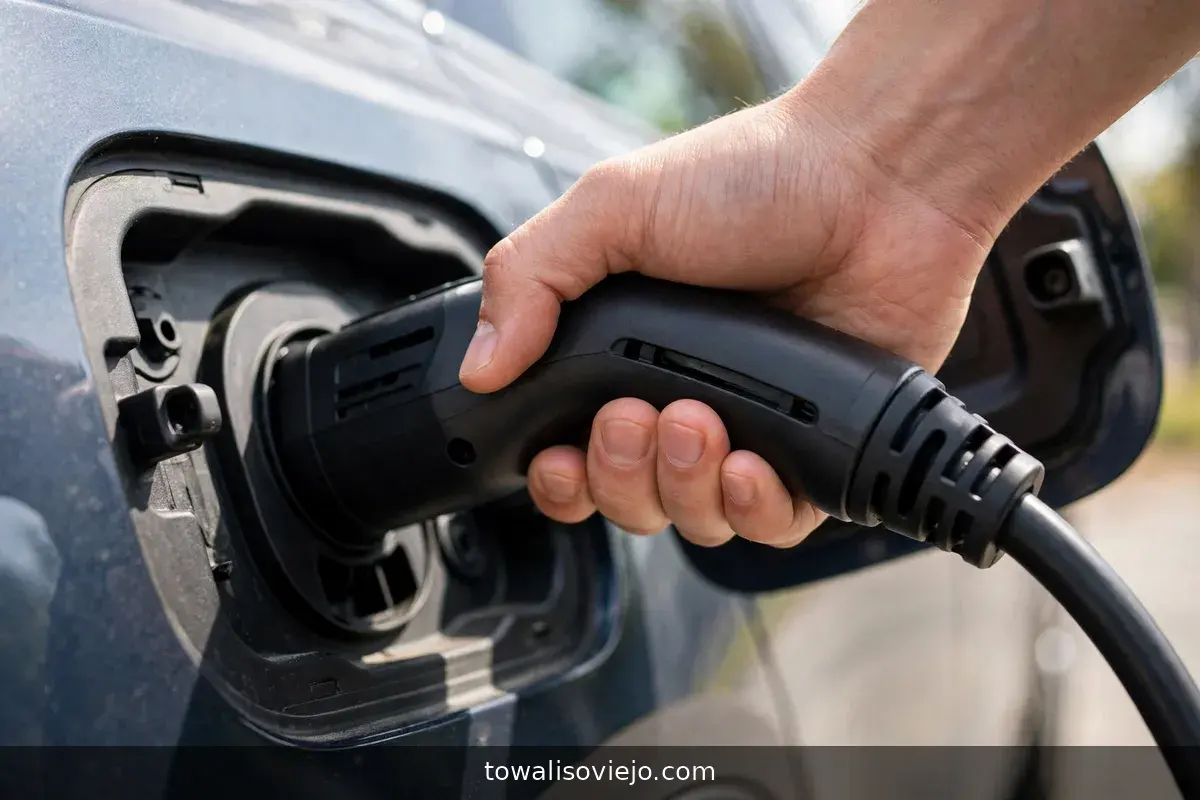
Plug type also matters. Cars built for China use the GB/T plug. Export models use the connector standard of the destination market. Ask which plug your car has before you buy.
Home charging matters more than most buyers expect. A 240 volt Level 2 charger adds range overnight. In tight garages in Manhattan or Atlanta, ask building management about charger access before you buy any EV.
Final Checklist for Buyers Abroad
Before you shop for Chinese electric cars abroad, run this checklist:
- Confirm the car meets local safety rules and carries a local warranty.
- Ask where service and collision parts come from.
- Check the plug type and the real range, not the home market rating.
- Test the 12 volt battery and scan for stored codes.
- Read the battery warranty for mileage limits and transfer rules.
- Check US import rules before you bring any car home.
The market moves month to month. Tariffs, quotas, and bills change quickly. Verify the latest rules with the agency or dealer before you sign. Ask an independent technician to inspect the car before any purchase. Informed buyers save money and avoid costly surprises.
Can you buy Chinese electric cars in the US?
No. You cannot buy a new Chinese brand EV from a US dealer in 2026. Tariffs can push import prices past 100 percent, and a federal software rule also blocks Chinese connected vehicle technology starting with model year 2027.
Why are Chinese cars blocked from the US?
Three layers of rules stack up: the Section 301 tariff on Chinese EVs was raised to 100 percent in 2024, the Connected Vehicle Rule was finalized in January 2025, and bills such as the Connected Vehicle Security Act are moving through Congress.
Is Canada letting in Chinese EVs in 2026?
Yes, with limits. Canada cut the tariff on Chinese built EVs from 100 percent to 6.1 percent, but only inside a yearly cap of 49,000 vehicles.
Do Chinese EVs really cost less?
At home, yes. Entry hatchbacks sell in China for roughly $8,000 to $10,000, but shipping, tariffs, local certification, and dealer margins add cost once a car crosses a border.
Are Chinese EVs safe and reliable?
It varies by model, just like any other cars. Several Chinese models have earned five star ratings from European crash test programs, and LFP batteries resist thermal runaway, but always test the 12 volt battery, scan for stored codes, and read the battery warranty.