Motor Oil Shortage: What It Means for Your Engine and Your Wallet
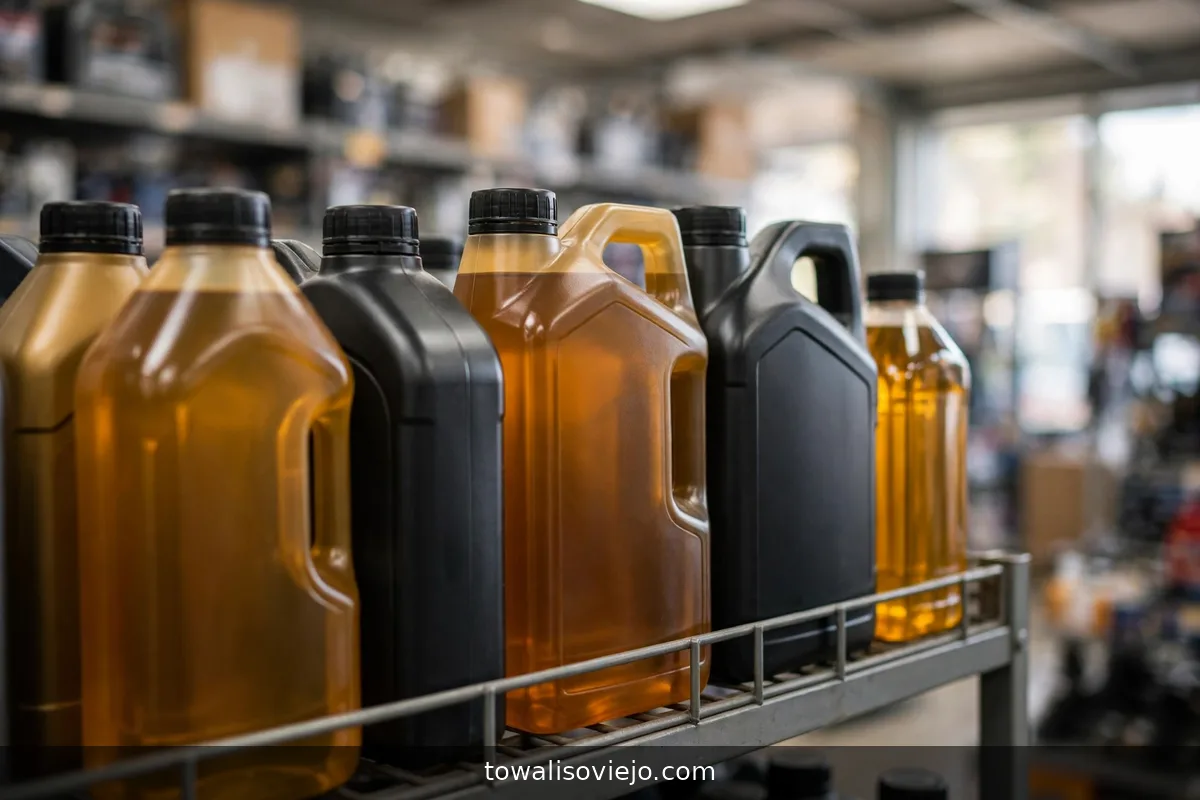
A motor oil shortage sounds like a bad joke in a country that pumps so much crude. Yet drivers have seen scattered empty shelves, rationed dealer orders, and higher oil change bills this year. The cause sits in one key ingredient. This guide explains what happened and which oils are hit hardest. It also shows how a mechanic would protect your engine until supply recovers.
Is There a Motor Oil Shortage Right Now?
Yes, but it is narrow, not total. A real shortage exists in Group III base oil, the main ingredient in many synthetic oils. Supply broke down after Gulf shipping disruptions began in late February 2026. Shelves are not empty everywhere. Some grades run short, and prices run high.
Here is the plain version. Every engine oil starts as base oil. Base oil makes up roughly 75 percent of the finished product, according to the Independent Lubricant Manufacturers Association. Group III is a highly refined grade. Blenders use it in most low viscosity synthetics, such as 0W20 and 5W30. About 60 percent of it goes into automotive use.
The supply chain cracked fast. The Strait of Hormuz carries about one fifth of world oil trade. It was largely closed from late February. A Qatari plant that makes a large share of the base oil was badly damaged in March. The industry association said about 44 percent of US Group III supply was sidelined by May. The American Petroleum Institute activated emergency licensing rules in March to keep oils on shelves.
Shipping has reopened in stages since June. Recovery still lags. Industry groups expect tight supply through at least mid 2027.
Diesel engine oils lean on Group II base oil, so they face less risk. Passenger car synthetics carry most of the pressure.
What does this mean for you? Most drivers will still get an oil change. Expect higher prices, fewer brand choices, and occasional waits. Stay flexible on brand, but strict on spec.
Base Oil Groups Explained
The American Petroleum Institute sorts base oil into five groups. Group I is the least refined. Group II is cleaner and common in diesel oils. Group III is hydrocracked and highly refined, and it performs like a synthetic. Group IV is PAO. Group V covers specialty esters and other fluids.
In the US, oils built on Group III can carry the full synthetic label. That is why one grade matters so much. A squeeze there hits the oil most newer cars call for.
Group II can still protect an engine in many uses. It simply cannot match every full synthetic spec. Blenders cannot flip that switch without testing.
Why Are Oil Change Prices Going Up?
Base oil is the largest cost in the bottle. When Group III costs more, finished oil costs more. Group III prices topped $10 per gallon by May. That more than doubled the pre crisis level. Some reports later put it near $12 per gallon.
Blenders normally switch to Group II when Group III runs short. That swap is limited now. Refiners shifted output toward diesel, so Group II is tight too. PAO, a costly synthetic base stock, is also scarce. Formulators have few easy options.
Late October data shows the squeeze continues. One industry newsletter reported Asian Group III near $3,660 to $3,700 per tonne. Group II 150N sat near $1,520 to $1,560 per tonne. That is more than double.
Drivers feel it at the counter. Analysts estimated that many oil prices rose about 35 percent. By one estimate, shops raised oil change prices by 20 to 30 percent on average. A typical do it yourself change costs roughly $14 more.
Shops that buy full synthetic by the drum report steeper jumps. A 55 gallon drum reportedly climbed from about $400 to about $1,000.
Heavy duty trucks face a different picture. Diesel oils mostly use Group II, so fleets on Interstate 80 and Interstate 10 have seen fewer shortages. Even so, an industry memo said record diesel prices pulled some oils off the market. Cost pressure reaches every driver. Expect fewer coupons and sales, because stores cut promotions when costs jump.
Will Stores Run Out of Motor Oil?
Not all at once, but gaps appear. Supply tightens by grade and by region. Low viscosity synthetics suffer first. These include 0W20, 5W20, and 5W30. Newer turbo and direct injection engines often require them.
Rationing has already happened. One automaker told dealers in May to expect about 55 percent of last year’s 0W20 volume. It set 5W30 at about 70 percent. Another maker warned service managers about shortages of its house brand oils. One warehouse club limited members to two packs per week of its house brand 0W20.
You can reduce the risk. Call ahead before you visit the shop. Book your oil change one to two weeks early. Ask which brand and spec the shop will use. Confirm that it meets your owner’s manual requirement.
Ask your shop for the spec instead of only a brand. A shop may swap brands when its supplier runs short. That is fine if the spec and viscosity match your manual. Ask to see the bottle or the receipt.
How to Read an Oil Bottle
Start with the viscosity grade. In 5W30, the W stands for winter. The first number shows how the oil flows when cold. Lower means thinner at startup. The second number shows thickness at operating temperature.
Next, find the service category. API SP is the standard most late model gasoline engines call for. ILSAC GF 6A covers most 0W20, 5W20, and 5W30 oils. GF 6B covers 0W16 only. Use it only in engines designed for that grade.
Finally, check your manual for carmaker approvals. Some engines require a specific approval beyond viscosity. The bottle must list it.
Which Engines Face the Biggest Risk?
Turbocharged engines carry the most risk if you use the wrong oil. A turbo spins past 100,000 rpm and heats oil hard. Direct injection engines can suffer low speed pre ignition, called LSPI, with poor oil. API SP and ILSAC GF 6A oils include LSPI protection.
Climate matters too. Drivers in Phoenix or Las Vegas stress oil with heat. Drivers in Minnesota need oil that flows on a zero degree morning. Stop and go traffic on Interstate 95, or in Manhattan and Atlanta, counts as severe service.
Older engines usually have more options. A 2005 sedan that calls for 5W30 can use many oils. Late model engines have fewer choices.
Can You Mix Synthetic and Conventional Oil?
Yes, in a pinch. Oil mixes safely when both bottles share the same viscosity and meet the same API standard. A blend will not damage your engine. Running low on oil will.
Treat any blend as a shorter interval product. Change the oil sooner than planned. Do not stretch it.
Viscosity is stricter. Follow your owner’s manual. Some manuals list alternate grades for certain temperatures. Thick oil flows slowly on a freezing morning in Chicago. Thin oil can burn off in desert heat. Never swap grades on a hunch.
Read the label too. The emergency program does not give blanket permission to swap Group II into products sold as synthetic. Look for the API donut and the starburst symbol on the bottle. Oils made with re refined base stock can meet the same standards when they carry the API mark.
Should You Stock Up on Motor Oil?
No. Panic buying makes shortages worse. Buy one oil change ahead at most. That covers a surprise out of stock. Bulk packs only help if you will use them.
Store oil the right way. Keep sealed jugs indoors, away from heat and moisture. Sealed oil often lasts about five years. Write the purchase date on each jug. Think of oil as insurance for your engine, not a hobby. A fresh change at the right time beats a shelf full of jugs.
Skip bargain bottles with no API mark. Check the viscosity and spec before you pay. Buy the correct filter with the oil. Some filters hold extra oil, so check the capacity in your manual.
Protect Your Engine While Supply Stays Tight
Check the dipstick monthly. It takes two minutes:
- Park on level ground. Turn the engine off and wait 5 minutes.
- Pull the dipstick and wipe it clean.
- Reinsert it fully, then pull it again.
- Read the level between the two marks. The gap often equals about one quart.
- Top off with matching oil if the level sits near the low mark.
Follow the oil life monitor or the manual interval. Do not stretch it to save oil. Old oil loses additives and builds sludge. Severe service calls for shorter intervals. Towing on Interstate 80, short winter trips, and desert heat all count.
Fix leaks now. A slow leak wastes oil when oil costs more. Look for drips under the car. Check the drain plug and the filter seal. Use a torque wrench and follow the factory spec.
Do not stretch oil with shortcuts. Never add transmission fluid, diesel, or other fluids to thin or bulk it up. Never reuse drained oil. Skip additives that claim to restore old oil. Do not overfill, because a high level can foam the oil and starve the pump.
Change the filter with every oil change. A fresh filter protects new oil from dirt and metal bits.
Never ignore the oil pressure light. Stop driving and shut the engine off. Low pressure can ruin an engine in minutes.
Track how much oil you add between changes. A sudden rise signals worn rings, a bad gasket, or a PCV problem.

Final Checklist for Drivers
During this motor oil shortage, small habits protect your engine and your budget:
- Read your owner’s manual for the viscosity and API spec.
- Book your oil change one to two weeks early.
- Buy no more than one change ahead.
- Check the dipstick every month.
- Mix only matching viscosities, and shorten the next interval.
- Never run the engine low on oil.
Supply should improve, but experts do not expect a quick fix. Prices may stay high into 2027. A little planning keeps your engine safe and your wallet steadier.
Is there a motor oil shortage right now?
Yes, but it is narrow, not total. The shortage is in Group III base oil, the main ingredient in many synthetic oils. About 44 percent of US Group III supply was sidelined by May 2026, so some grades run short and prices run high, but shelves are not empty everywhere.
Why are oil change prices going up?
Base oil is the largest cost in the bottle, and Group III prices topped $10 per gallon by May 2026, more than double the pre-crisis level. Shops raised oil change prices by 20 to 30 percent on average, and a typical do-it-yourself change costs roughly $14 more.
Which motor oil grades are hardest to find?
Low viscosity synthetics suffer first: 0W20, 5W20, and 5W30. Newer turbo and direct injection engines often require them, and one automaker told dealers to expect about 55 percent of last year’s 0W20 volume.
Can you mix synthetic and conventional oil?
Yes, in a pinch. Oil mixes safely when both bottles share the same viscosity and meet the same API standard. Treat any blend as a shorter interval product and change the oil sooner than planned. Never swap viscosity grades on a hunch.
Should you stock up on motor oil?
No. Panic buying makes shortages worse. Buy one oil change ahead at most, store sealed jugs indoors away from heat and moisture, and skip bargain bottles with no API mark.