
Why Is My Car Overheating? A Mechanic’s Emergency First Guide
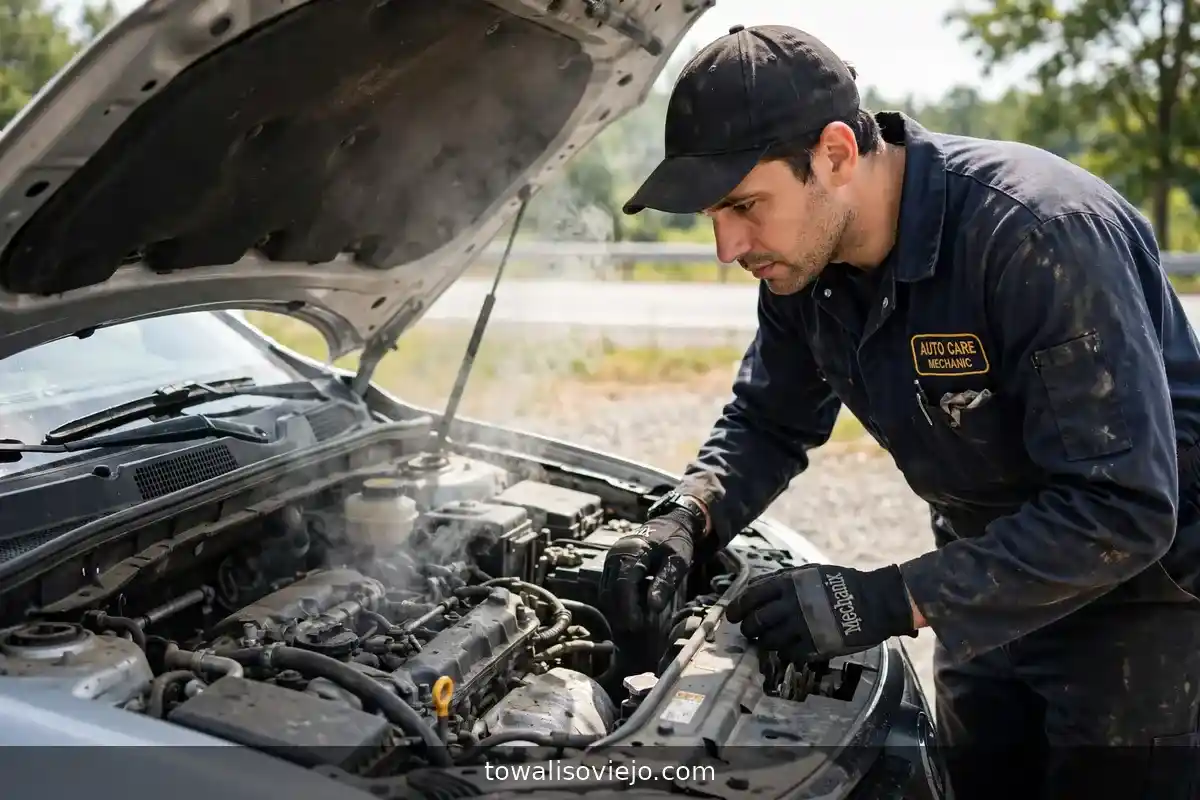
The needle climbs into the red. Steam curls from under the hood. Your heart rate jumps. I have pulled stalled cars off Interstate 10 in July and Interstate 80 in the mountains. Drivers often ask why is my car overheating while the engine still runs hot. Act first and diagnose second. This guide gives you the safe steps right now, then the causes, tests, and fixes.
Why Is My Car Overheating? Do This Right Now
Pull over safely and turn off the engine. Turn on the heater to pull heat from the engine while you look for a safe spot. Wait at least 15 minutes before you open the hood. Low coolant, a stuck thermostat, a bad fan, or a failing water pump cause most overheating.
Follow these emergency steps in order.
- Turn off the air conditioning and roll down the windows.
- Turn the heater to full hot and full fan. This moves heat out of the engine.
- Pull over at the first safe spot and set your hazard lights.
- Shut the engine off.
- Get everyone out and away from traffic.
- Wait at least 15 minutes. Keep the hood closed for the first few minutes.
- Call for help if the needle stays high or steam keeps rising.
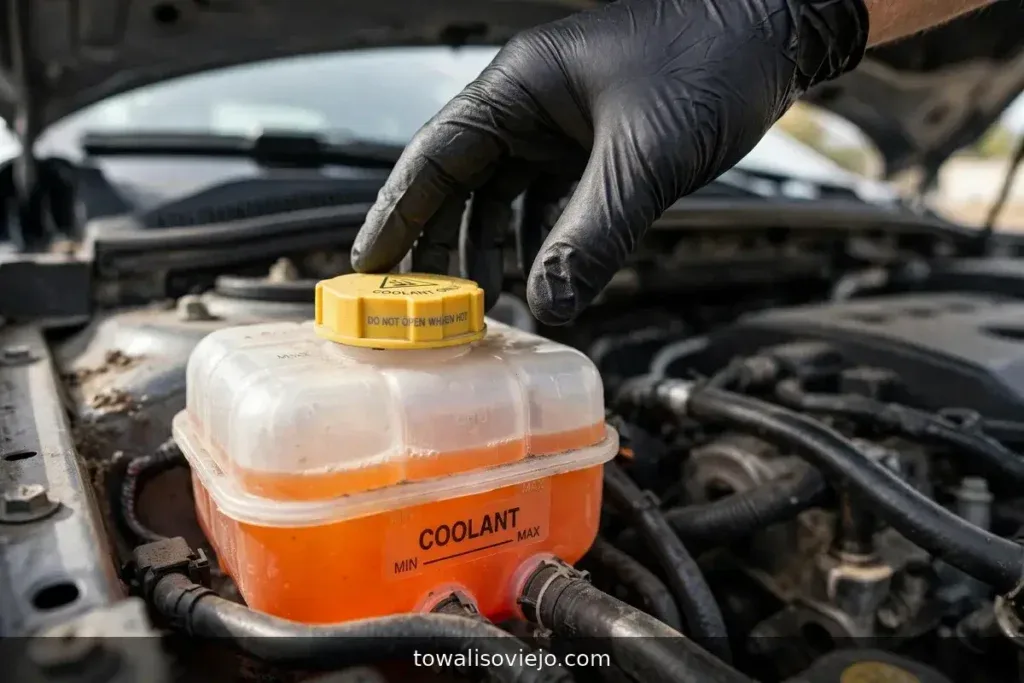
Never open the radiator cap on a hot engine. The system holds pressure. Coolant can reach well over 230 degrees Fahrenheit. It can spray out and burn you badly. Wait until the hood feels cool to the touch.
What Are the Warning Signs of an Overheating Engine?
Catch the early signs, and you can save the engine. Watch for these.
- The temperature gauge climbs past the middle.
- A warning light shows a thermometer.
- You smell something sweet. Burning coolant has that scent.
- Steam rises from the hood.
- The engine ticks or thumps.
- The car loses power on hills.
- Colored puddles appear under the car. Coolant often looks green, orange, pink, or blue.
A healthy engine runs near 195 to 220 degrees Fahrenheit. Most gauges sit at the middle mark. A needle above that mark means trouble. Do not wait for the red zone.
Can I Keep Driving If My Car Is Overheating?
No. Stop as soon as you can do so safely. Driving on a hot engine can warp the cylinder head. It can blow the head gasket. In bad cases it cracks the engine block. Those repairs often cost thousands of dollars.
The heater trick buys you a few minutes. It pulls heat from the coolant and sends it into the cabin. Use it to reach a safe shoulder. Do not use it to finish your trip.
If the needle spikes once and then drops, do not relax. A single spike can signal a leak or an air pocket. Stop soon and check the level when the engine is cold.
Skip two common mistakes. Do not pour cold water over a hot engine. The sudden change can crack metal. Do not run the air conditioning on a hot engine. It adds load and heat.
What If the Coolant Is Full but the Engine Still Runs Hot?
A full tank does not mean good flow. Several parts can block the loop. Check these in order. An infrared thermometer helps. Point it at the upper hose and the thermostat housing. A healthy engine reads about 195 to 220 degrees Fahrenheit. A big gap between parts points to a flow problem.
Thermostat. This valve opens near 180 to 200 degrees Fahrenheit. A stuck closed thermostat traps hot coolant in the engine. The car overheats fast after a cold start. Here is a simple test. Feel the upper radiator hose as the engine warms. If it stays cool while the gauge climbs, the thermostat is stuck.
Radiator fan. The fan pulls air through the radiator at low speed. A dead fan causes overheating in traffic. Run the engine with the air conditioning on. The fan should spin. If it does not, check the fuse and relay. Then test the fan connector for about 12 volts when the fan should run.
Water pump. The pump circulates coolant. A worn pump leaks or loses its blades. Many pumps last 60,000 to 100,000 miles. Look for coolant drips near the front of the engine. Listen for a grinding hum.
Air pocket. Air can trap in the cooling system after a service. It blocks flow and creates hot spots. Bleed the system by the repair manual steps.
Radiator. Clogged fins or inside rust block heat transfer. Check for bugs, leaves, and mud on the outside. Flush the system if the coolant looks like rusty water.
Bad cap. The cap holds pressure so coolant boils at a higher temperature. A weak spring lowers that pressure. Coolant then boils early. A cap tester shows the pressure. Many caps hold about 13 to 16 psi. Check the number printed on the cap.
Why Does My Car Overheat Only When Idling or in Traffic?
This points to airflow. At highway speed, wind pushes air through the radiator. At idle, the fan must do the work. A weak fan, a stuck relay, or a clogged radiator shows up in traffic first.
Stop and go traffic in Atlanta or Manhattan tests the system hard. So does a slow line at the border or a long toll queue. Desert heat in Phoenix or Las Vegas adds more stress. Ambient air of 110 degrees leaves little room for cooling.
Try these quick fixes in traffic.
- Turn off the air conditioning.
- Shift to neutral and rev the engine to about 2,000 rpm. This spins the water pump faster.
- Use the heater to dump engine heat.
- Pull over if the needle keeps climbing.
If the engine runs cool at speed and hot at idle, test the fan first. A bad fan is the most common cause. Fan parts are cheaper than a head gasket.
Can I Add Water Instead of Coolant?
You can in an emergency. Plain water gets you to a shop. It does not replace coolant. Coolant lowers the freezing point and raises the boiling point. It also protects metal from rust.
Follow these rules.
- Wait until the engine is cool.
- Wear gloves. Cover the cap with a thick towel.
- Turn the cap one quarter turn to release pressure.
- Open it fully after the hissing stops.
- Add half water and half antifreeze. Use water only if you have no coolant.
- Fill the reservoir to the full line.
- Replace the cap and restart the engine.
Use the coolant type in your owner’s manual. Do not mix types or colors. Mixed coolants can gel and clog small passages. Have the system flushed soon after any water top off.
Water alone freezes in cold climates. A winter morning in Chicago or Minnesota can crack a block that holds weak coolant. Test the mix with a coolant tester each fall.
How Do I Find a Coolant Leak?
Low coolant means a leak. The cooling system is closed, so the fluid has to go somewhere. Look for the source before you add more.
Check these spots.
- Hose ends and clamps.
- The radiator seams and the bottom tank.
- The water pump weep hole.
- The thermostat housing.
- The heater core, if you see damp carpet or a sweet smell inside.
- The oil cap, where milky sludge can signal a head gasket leak.
A pressure tester finds hidden leaks. Pump the system to the cap rating. A good system holds pressure for several minutes. A falling needle shows a leak. Dye kits and a black light also help.
Smoke from the tailpipe that smells sweet points to coolant in the cylinders. Stop driving. A blown head gasket needs a shop.
What Damage Can Overheating Cause?
Heat warps metal. An aluminum cylinder head can bend when it gets too hot. The head gasket then fails and lets coolant mix with oil. In bad cases, the block cracks. Plastic parts in the cooling system can melt or split.
Watch for signs of damage after an overheat.
- White smoke with a sweet smell from the tailpipe.
- Milky, tan sludge on the oil cap or dipstick.
- Rough running or a loss of power.
- Coolant that vanishes with no visible leak.
- Bubbles in the coolant reservoir while the engine runs.
A shop can run a block test. It detects exhaust gas in the coolant. A compression test also shows head gasket trouble. Early action matters. A quick stop may save the engine. A long drive can ruin it.
How Do I Stop My Car From Overheating Again?
Prevention is cheap. Build a simple routine.
- Check the coolant level monthly when the engine is cold.
- Flush the coolant at the interval in your manual.
- Replace old hoses that feel soft or crunchy.
- Inspect the serpentine belt for cracks. It drives the water pump.
- Keep the oil level full. Low oil adds friction and heat.
- Clean bugs and debris from the radiator front.
- Keep one gallon of premixed coolant in the trunk.
- Test the coolant mix each year. A half and half mix protects most engines down to about 34 degrees below zero. It also raises the boiling point well above plain water. A pressurized system lifts that point even higher. A cheap tester shows the freeze protection in seconds.
Watch the gauge on long climbs. Mountain grades on Interstate 80 push cooling systems to the limit. Turn off the air conditioning on steep hills. Shift to a lower gear if the needle rises.
Towing or heavy loads add heat. Check the coolant before every long trip. Road trips on Interstate 95 in summer need extra care.
Keep Your Cool on Every Mile
Now you know why is my car overheating and how to respond. Pull over, shut it down, and wait. Then check coolant, thermostat, fan, and pump in that order.
Write down the date, the weather, and what you saw. Share it with your mechanic. Patterns such as hot only at idle or only on hills narrow the cause fast.
Keep a coolant jug, gloves, and a towel in the trunk. Check the gauge often. If the problem returns, ask a certified technician for a pressure test. A small repair today saves the engine tomorrow.
What should I do right now if my car is overheating?
Turn off the air conditioning, turn the heater to full hot and full fan, pull over at the first safe spot with hazards on, shut the engine off, get everyone away from traffic, and wait at least 15 minutes. Never open the radiator cap on a hot engine — coolant can reach well over 230 degrees Fahrenheit and spray out.
Can I keep driving if my car is overheating?
No. Driving on a hot engine can warp the cylinder head, blow the head gasket, or crack the engine block, repairs that often cost thousands of dollars. The heater trick only buys a few minutes to reach a safe shoulder.
What if the coolant is full but the engine still runs hot?
A full tank does not mean good flow. Check the thermostat (upper hose stays cool while the gauge climbs means stuck closed), the radiator fan (should spin with the AC on, about 12 volts at the connector), the water pump (many last 60,000 to 100,000 miles), air pockets, a clogged radiator, and a weak cap (many hold about 13 to 16 psi).
Can I add water instead of coolant?
In an emergency only. Wait until the engine is cool, cover the cap with a thick towel, turn it one quarter turn to release pressure, open fully after the hissing stops, add half water and half antifreeze, fill to the full line, and have the system flushed soon after. Water alone freezes in cold climates.
How do I stop my car from overheating again?
Check the coolant level monthly when cold, flush at the manual interval, replace soft or crunchy, hoses, inspect the serpentine belt, keep oil full, clean the radiator front, keep a gallon of premixed coolant in the trunk, and test the mix each year.