

Key Stuck in Ignition? Causes and Fixes That Work
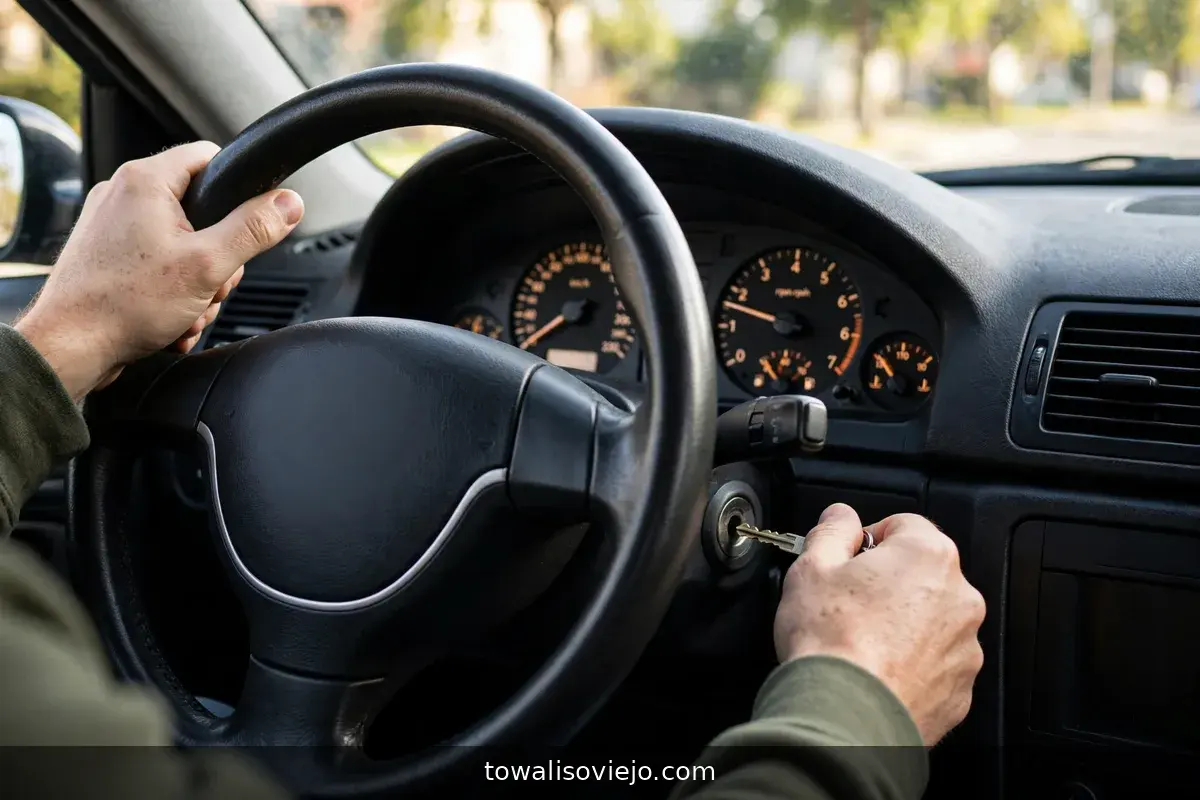
A key stuck in ignition can ruin your morning. I have freed hundreds of them in my shop. Most cases take two minutes and no tools. Others point to a worn key or a failing lock cylinder. This guide shows the order I follow, from easy checks to real repairs. You will learn what to try first, what to avoid, and when to call for help.
What to Do When You Have a Key Stuck in Ignition?
Press the brake and shift fully into park. Turn the steering wheel gently left and right while you pull the key. Wiggle the key without force. Puff dry graphite into the lock if it still sticks. Try your spare key next. Call a locksmith if nothing works.
Work in that order. Each step costs less than the next one. Most drivers skip the first two and reach for pliers. That move bends keys and wrecks lock cylinders. Stay patient and keep the pull light.
Set the parking brake before you start. Turn on your hazard lights if you sit on a roadside. Keep your hand on the key and not on the dashboard trim.
Why Won’t My Key Come Out of the Ignition?
Four problems cause most cases: the shifter, the steering lock, the battery, and wear in the key or lock. Federal safety rules from NHTSA require automatic cars to hold the key until the shifter sits in park. So a stuck key often points to the shifter, not the lock.
Use this quick sort before you touch anything:
- The key moves a little but stops: check the shifter and the steering lock.
- The dash lights are dim or dead: check the battery.
- The key feels gritty or rough: clean and lubricate the lock.
- Your spare key also sticks: suspect the lock cylinder.
Is the Shift Lever Really in Park?
Check this first. The shift interlock keeps the key trapped until the transmission sits fully in park. A lever that looks right can still sit a hair short.
Press the brake pedal. Push the lever all the way forward or up into park. Wiggle it and listen for the click. A worn park switch or a stretched shifter cable can keep the interlock locked. If the lever feels loose, a mechanic should check the cable.
Hills cause trouble too. On a steep street in Seattle or San Francisco, the car’s weight loads the parking pawl. The lever binds and the key stays put. Always set the parking brake before you shift into park on a slope. Then let the car settle against the brake and try again.
Why Is My Steering Wheel Locked and the Key Jammed?
The steering lock pin drops into the column when you shut off the engine. If you left the wheels turned, the pin presses hard against the column. That load squeezes the ignition and traps the key.
Grip the steering wheel with one hand. Turn it gently toward the direction it wants to move. Hold that pressure and pull the key with your other hand. The pin releases and the key slides out. Never yank the wheel. You can bend the lock pin.
This happens often in tight garages in Manhattan or Atlanta. Drivers cut the wheel hard to park and shut off the engine. Straighten the wheels before you turn off the car and the problem fades.
Can a Dead Battery Trap Your Key?
Yes, on many cars. A small solenoid holds or releases the key. That part needs power. A weak battery may not move it.
Test the battery with a multimeter. A healthy battery reads 12.4 to 12.6 volts with the engine off. A reading near 12.0 volts means a weak battery. Look at the dome light and dash lights too. Dim lights point to low power.
A jump start often frees the key. Connect the cables, wait a few minutes, and try again. Cold mornings in Chicago or Minnesota make this common. Cold thickens oil and cuts battery output.
Many cars also have a shift lock release slot near the shifter. Your owner’s manual shows where it sits. A small screwdriver presses the release. That lets you move the shifter, but check the manual before you use it.
A portable jump pack in the trunk saves time here. It fits in a glove box. Many cost under 100 dollars. Hot summers in Phoenix and Las Vegas age batteries fast, so keep one handy.
If the battery keeps dying, test the alternator. A healthy charging system reads 13.7 to 14.7 volts with the engine running. Do not blame the lock for an electrical fault.
How Do You Clean and Lubricate a Sticky Ignition?
Dirt and moisture jam locks more than people think. Lint from pockets, sticky tape residue, and sweet drink spills all gum up the pins. Humid cities like Atlanta add grime. Freezing weather in Minnesota turns moisture inside the lock into ice.
Follow these steps:
- Park, set the brake, and shift fully into park.
- Wiggle the key gently without force.
- Puff one or two short bursts of dry graphite into the key slot.
- Work the key in and out a few times.
- Wipe the key with rubbing alcohol and a lint free cloth.
Pick one type of lubricant and stay with it. Mixing dry graphite with wet oil can gum the pins. Heavy oil sprays also trap dust. Use a product labeled safe for locks. Keep spray away from wiring behind the column.
Why Does the Key Stick Only in Cold Weather?
Cold changes both metal and moisture. Water inside the lock freezes on frosty mornings in Minnesota or Chicago. Lubricants thicken, so the pins move slowly. Warm the key in your hand before you insert it. Use a lock de icer made for ignition and door locks. Do not pour hot water on the lock. It can refreeze and seep into the electronics. Once the lock moves, add a puff of dry graphite to keep moisture out.
Is Your Key Worn or Bent?
Look at the key under good light. Worn keys show rounded, shiny cuts. A bent key often looks slightly curved along the blade. Compare it with your spare key.
Try the spare. If the spare slides in and out with ease, the main key is worn. Retire that key. Ask a locksmith to cut a new one from the key code, not from the worn key. A copy of a worn copy repeats the damage.
Heavy key rings cause wear. A pound of keys and charms hangs from the cylinder every time you drive. Bumps on Interstate 95 make it swing. Over years, that weight wears the pins inside the lock. Remove extra keys and keep the ring light.
A worn key can also snap off in the lock. Do not pull with pliers if the blade bends. A locksmith has an extractor tool and can remove a broken piece without damage.
When Is the Ignition Lock Cylinder the Problem?
The lock cylinder holds small pins and springs. They wear out after many years. A failing cylinder sticks with every key, not only one.
Watch for these signs:
- Both keys stick or turn hard
- The key wobbles in the slot
- The key turns but the engine does not respond
- The key sticks in more than one position
Try a light tap on the cylinder housing with a plastic mallet. Do not hit the key. A tap can reseat a pin. It rarely fixes a worn cylinder for long.
Replacement often costs 150 to 500 dollars, depending on the vehicle. Cars with transponder keys cost more, because the new key needs programming. Also check NHTSA recalls for your vehicle. Some ignition problems fall under safety recalls, and those repairs are free.
Ask the shop to match the new cylinder to your existing key. Otherwise you will carry one key for the ignition and another for the doors. That small request saves daily hassle.
What Should You Never Do With a Stuck Key?
Never force the key with pliers or a pry bar. Metal keys bend and snap. A broken blade inside the lock turns a free fix into a costly one. Never hammer on the key itself. The shock can crack the pins and the plastic head.
Never take apart the steering column without a service manual. Airbag parts sit close to the column. A wrong move can set one off. Never ignore a key that sticks only now and then. It will fail at the worst time. Never run the engine in a closed garage while you work on the problem.
Should You Call a Locksmith or a Mechanic?
Match the problem to the person. A locksmith handles worn keys, broken keys, and lock cylinders. A mechanic handles shifter cables, park switches, steering columns, and batteries. Many shops do both.
A locksmith call often runs 75 to 250 dollars. Roadside services from groups like AAA can also help with key trouble. If you sit on the shoulder of Interstate 80 at night, put safety first. Keep your hazard lights on and stay out of traffic. A tow may cost less than a risky repair.
Ask for a price before work starts. Ask the technician to explain the cause. A clear answer separates a good shop from a parts swapper.
How Do You Stop It From Happening Again?
Small habits prevent most repeats:
- Shift fully into park and pause before you remove the key
- Straighten the front wheels before you shut off the engine
- Keep only the keys you need on the ring
- Replace worn keys early, before they harm the lock
- Test your battery each fall, before the first freeze
- Puff dry graphite into the lock twice a year
- Wipe your key clean every few months
Final Checklist Before You Pay for a Repair
A key stuck in ignition is rarely a disaster. Run the simple checks before you spend money. Confirm park. Relieve the steering lock. Test the battery. Clean the lock. Try the spare key. Only then suspect the lock cylinder.
Stay calm and keep your pulling gentle. Force turns a free fix into a repair bill. Most stuck keys come out with patience and the right order of steps.
What should I do first when my key is stuck in the ignition?
Press the brake, shift fully into park, and turn the steering wheel gently left and right while you pull the key. Wiggle the key without force, try dry graphite in the lock, then try your spare key. Call a locksmith if nothing works.
Can a dead battery trap my key in the ignition?
Yes, on many cars a small solenoid holds or releases the key and needs power. A healthy battery reads 12.4 to 12.6 volts with the engine off, and a jump start often frees the key.
Why is my steering wheel locked and the key jammed?
The steering lock pin drops into the column when you shut off the engine, and if you left the wheels turned it presses hard against the column and traps the key. Turn the wheel gently toward the direction it wants to move while you pull the key.
How do I clean and lubricate a sticky ignition?
Puff one or two short bursts of dry graphite into the key slot, work the key in and out a few times, and wipe the key with rubbing alcohol and a lint free cloth. Do not mix dry graphite with wet oil.
When should I call a locksmith or a mechanic?
Call a locksmith for worn keys, broken keys, and lock cylinders, usually 75 to 250 dollars. Call a mechanic for shifter cables, park switches, steering columns, and batteries. A lock cylinder replacement often costs 150 to 500 dollars.