
How to Reset the Check Engine Light: A Mechanic’s Step by Step Guide
That glowing dash light makes any driver nervous. Many people want a quick way to turn it off. I get it. Still, the smart move is to find the cause first. This guide shows you how to reset the check engine light the right way. You will learn the scanner method, the battery method, and the drive cycle. You will also learn when a reset only hides a real problem.
How to Reset the Check Engine Light the Right Way
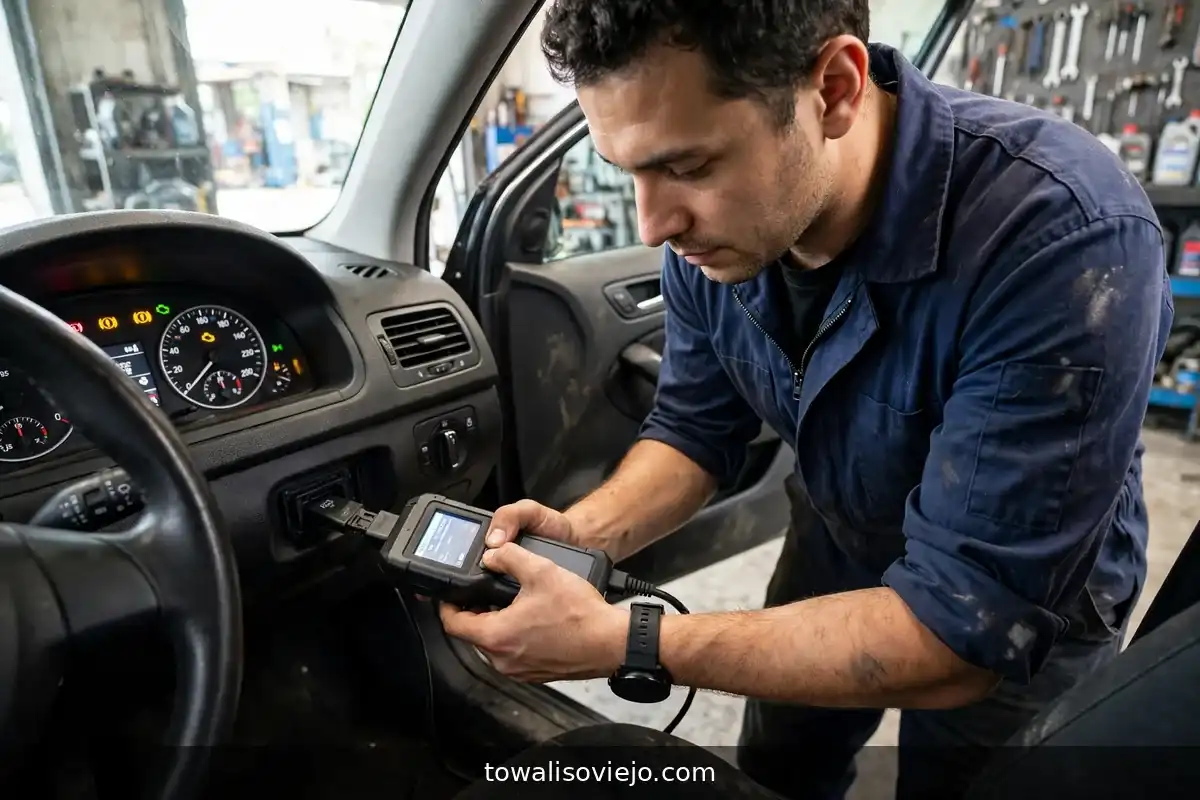
Find and fix the cause first. Plug an OBD2 scanner into the port under the dash. Turn the key on with the engine off. Select clear codes and confirm. Start the engine and check the light. Then drive a full drive cycle so the monitors finish. Expect two to three days of normal driving.
A reset sends a clear command to the engine computer. The computer erases stored trouble codes. It also wipes freeze frame data and turns off the dash lamp. Every readiness monitor then shows not ready. SAE International sets the code and scanner standards that make this work on all cars built since 1996.
A reset does not repair anything. If the fault still exists, the light returns. The computer retests each system as you drive. A real problem sets the code again, often within a few miles.
Should I Reset the Light Before Fixing the Problem?
No. Read the codes first. Write down every code and the freeze frame data. Cleared data is gone for good. A mechanic needs that data to find the cause. A reset also hides a flashing light warning for a short time.
Use this order every time.
- Read the codes with a scanner.
- Record the codes and freeze frame data.
- Find the cause and repair it.
- Clear the codes with the scanner.
- Drive normally and watch the light.
A basic code reader costs 25 to 80 dollars. Many auto parts stores read codes for free. Policies on clearing codes vary by store, so ask first. A shop diagnosis runs about 75 to 150 dollars.
Never clear a light that is flashing. A flashing light means an active misfire. Raw fuel can overheat the catalytic converter. Pull over and call for help instead.
How Do I Reset the Check Engine Light With a Scanner?
The scanner method is the cleanest option. It clears only the diagnostic data. It leaves your learned engine settings alone. Follow these steps.
- Park on level ground and turn the engine off.
- Find the OBD2 port. It sits under the dash on the driver side.
- Plug in the scanner and turn the key to on. Do not start the engine.
- Read and record the stored codes.
- Repair the fault.
- Choose the erase or clear codes option.
- Confirm the prompt and wait for the screen to finish.
- Start the engine and check the dash.
The light should go out at once. If it stays on, a fault may still exist. Read the codes again. A new code means a new problem. The same code means the repair did not work.
Pick a scanner that shows freeze frame data and live readings. A Bluetooth reader pairs with a phone app and costs little. Live data lets you watch sensors while the engine runs. That view saves time on repeat faults.
Wait a few minutes before you drive away. Then take a short test drive. Watch the light for the first ten miles.
Does Disconnecting the Battery Reset the Check Engine Light?
Often yes, but it costs you more than it should. Pulling the battery cuts power to the engine computer. The memory clears. The light usually goes off. This method works on cars without a scanner port and on many newer cars.
Know the downsides before you try it. The computer loses its learned fuel trims and idle settings. A newer automatic can lose its shift patterns. The car may idle rough or shift hard for a few days. The radio may ask for a security code. Clocks and seat memory may reset.
Find your radio code first. A memory saver plugged into the OBD2 port keeps basic power on during the job. If you skip that, expect to enter the code.
Follow these steps.
- Turn the engine off and remove the key.
- Put on safety glasses and gloves.
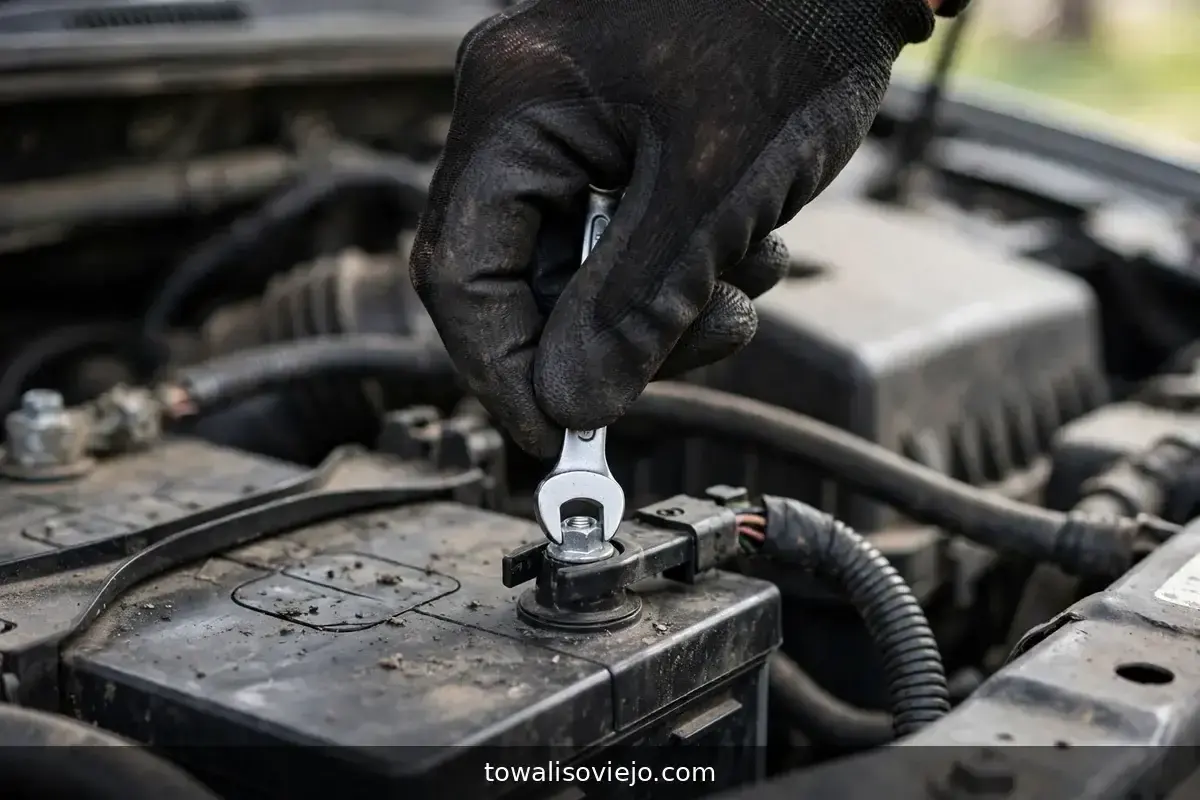
- Loosen the negative clamp with a 10 mm wrench and lift it off.
- Loosen the positive clamp and lift it off.
- Wait 15 to 30 minutes. Some mechanics wait longer on stubborn cars.
- Reconnect the positive clamp first.
- Reconnect the negative clamp last.
- Tighten both clamps to about 5 to 7 foot pounds.
Keep tools away from both posts. A wrench that touches the post and the body throws sparks. A battery vents hydrogen gas. Work in open air. A tight parking garage in Manhattan or Atlanta traps fumes, so open the doors first.
Check voltage after you finish. A healthy battery rests near 12.6 volts. The charging system should show 13.7 to 14.7 volts with the engine running.
Can I Reset the Light Without a Scanner?
You have a few options. None of them beat a scanner. Each one has limits.
Battery disconnect. The steps above work for most cars. They also wipe settings you may want to keep.
Fuse pull. Some cars store codes through a fuse tied to the engine computer. Pull the engine control fuse for ten minutes and replace it. Never pull a fuse with the engine running. Check the fuse box chart in the owner’s manual. This method works on some older cars only.
Ignition cycling. A few cars clear minor codes when you turn the key to on and off several times. This trick fails on most cars built after 2000.
Drive cycle. Fix the fault and drive. The computer clears the light on its own after several clean trips. Plan on three clean drive cycles.
Free scans help too. A parts store clerk can read your codes. That one step tells you what to fix. Then you can drive until the light clears by itself.
How Long Does It Take for the Check Engine Light to Reset?
A scanner reset takes seconds. A battery reset takes about 30 minutes. A self reset after a fix takes longer. The computer must see the problem gone for several drive cycles. That often means two to seven days of normal driving.
The readiness monitors take longest. Monitors are self tests of emission parts. A car can have up to 11. They run only under set conditions. Complete monitors can take 50 to 200 miles of mixed driving.
Here is a typical drive cycle.
- Let the car sit overnight with the engine off.
- Start the engine and idle for two to three minutes.
- Drive in city traffic for about ten minutes.
- Cruise at a steady 55 to 60 miles per hour for ten minutes. Interstate 80 or Interstate 95 works well.
- Slow down and coast without braking hard.
- Stop and idle for two minutes.
Stop and go traffic in Manhattan or Atlanta slows this process. Monitors need steady cruising, so plan a highway run. A cold Minnesota morning can also delay some tests until the engine warms up. Patience pays off here.
Your owner’s manual may list a different pattern. Follow the manual when it does.
Why Did the Check Engine Light Come Back On?
The problem still exists. That is the usual answer. A reset clears the message but not the cause. Here are the common reasons.
- The repair did not fix the real fault.
- A loose gas cap still leaks vapor.
- An oxygen sensor still reads out of range.
- A vacuum leak still lets in extra air.
- The battery is weak and sets odd codes.
Read the new code. Compare it to the old one. A returning code points to the same system. Intermittent faults are harder to catch. Wiggle each wiring connector while the engine idles and watch the live data. A loose plug at an oxygen sensor or airflow sensor often sets a code only over bumps. Test the part before you replace it. A good oxygen sensor swings between 0.1 and 0.9 volts. A vacuum gauge on a healthy engine reads 17 to 21 inches of mercury at idle. A battery below about 12.0 volts at rest can set odd codes.
Cold weather adds trouble. A freezing start in Chicago or Minnesota can set a short lived code. Desert heat in Phoenix or Las Vegas strains sensors and batteries. If the light returns once and then stays off, note the date. If it returns often, see a technician.
Will Resetting the Light Help Me Pass an Emissions Test?
No. A reset can make you fail. States like California and New York check readiness monitors. Cleared monitors show not ready. The station rejects a car with too many incomplete monitors, even with no faults.
Many states allow one or two incomplete monitors, depending on the model year. Rules vary, so check your state program. Never clear codes right before a test. Fix the fault, then drive the full drive cycle. Give the car at least a few days.
Do not try to hide a real fault. A test checks more than the light. It reads the actual emission data. A cleared code with a bad catalytic converter will fail anyway.
Reset It Right and Keep It Off
Now you know how to reset the check engine light without guessing. Read the code, fix the cause, clear the data, and drive the cycle. Use a scanner when you can. Save the battery method for old cars.
Keep a basic scanner in your glove box. Do not clear a light you do not understand. If the problem looks beyond your tools, ask a certified technician for help. A clean reset after a real repair keeps your engine healthy and your inspection easy. Take the time to do it in the right order, and the light will stay off for good.
How do I reset the check engine light with a scanner?
Plug an OBD2 scanner into the port under the dash, turn the key to on with the engine off, read and record the stored codes, repair the fault, choose the erase or clear codes option, confirm, then start the engine and check the dash.
Should I reset the light before fixing the problem?
No. Read the codes first and record every code plus freeze frame data, because cleared data is gone for good and a mechanic needs it to find the cause. Never clear a light that is flashing.
Does disconnecting the battery reset the check engine light?
Often yes, but it wipes learned fuel trims, idle settings, shift patterns, the radio code, clocks, and seat memory. Negative clamp off first, wait 15 to 30 minutes, then positive on first and negative last.
How long does it take for the check engine light to reset?
A scanner reset takes seconds and a battery reset about 30 minutes, but a self-reset after a fix takes several drive cycles, often two to seven days, and readiness monitors can take 50 to 200 miles of mixed driving.
Will resetting the light help me pass an emissions test?
No, it can make you fail. Cleared monitors show not ready, and stations reject a car with too many incomplete monitors. Fix the fault, drive the full drive cycle, and give it a few days.